Africa's Water Crisis Leaves Millions Without Safe Access in 2024
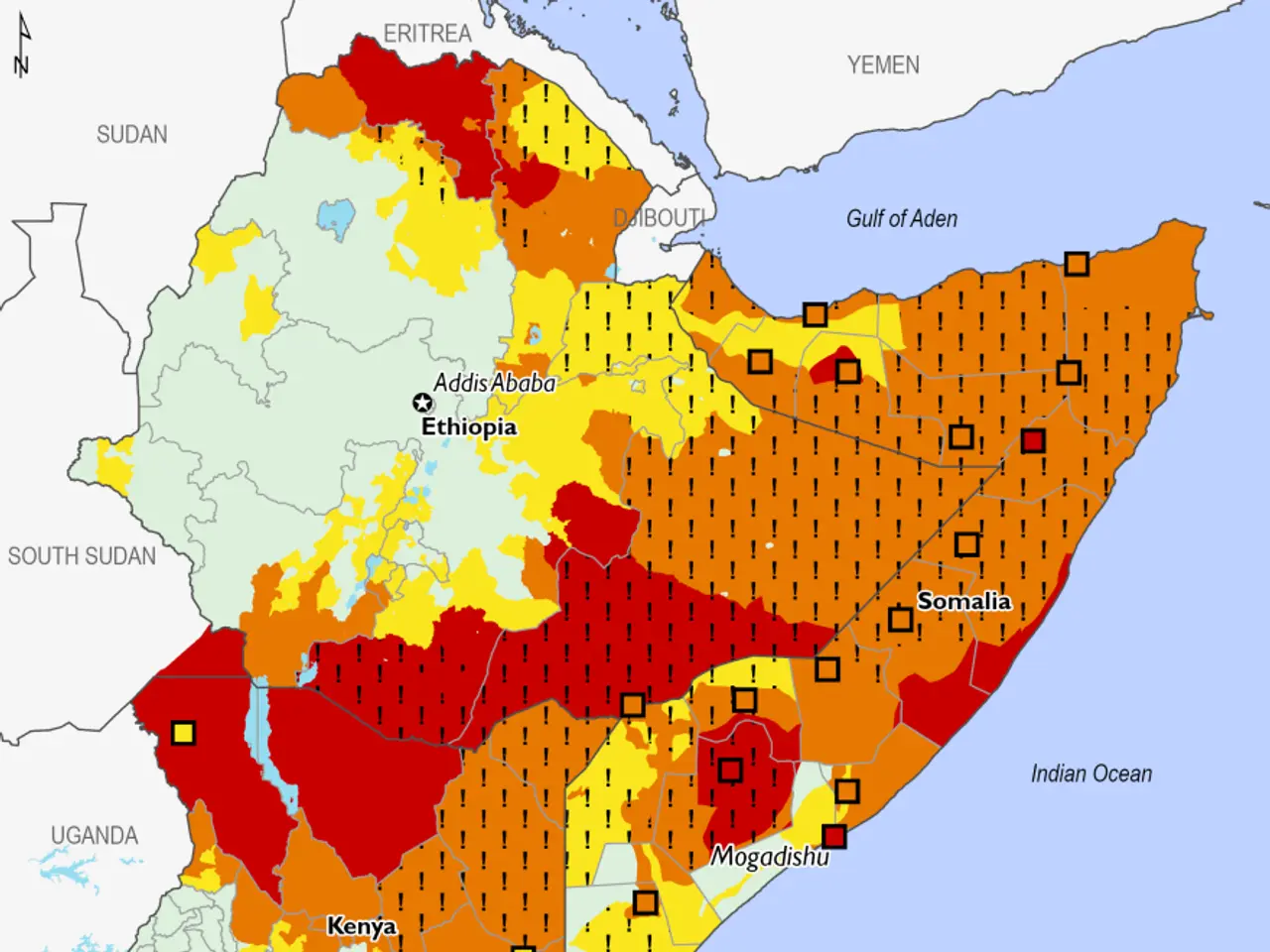
Across Africa, millions still struggle to access clean water and basic sanitation. From Zimbabwe's rural villages to the Democratic Republic of Congo's conflict zones, the challenge remains severe. Despite global targets, many countries are falling short of meeting the United Nations' Sustainable Development Goal for water and sanitation by 2030.
In Zimbabwe, 65 percent of the population—around 9.1 million people—live in rural areas without piped water. Raviro Chawuruka, a 72-year-old woman in Mwenezi district, has spent her life fetching water from rivers, streams, and wells. When these dry up, she digs through sand to reach the water table in a nearby well. Even in the capital, Harare, a 2016 Human Rights Watch report found that many residents face severe shortages of safe drinking water and proper sanitation.
The situation is equally dire in the Democratic Republic of Congo, where an estimated 51 million people—three-quarters of the population—lack access to clean water. Armed conflicts, crumbling infrastructure, and mass displacement have worsened the crisis. Meanwhile, in Mozambique's Tete Province, Armando Sinorita, 56, must travel long distances to find water, as his community has no boreholes or piped supply.
Ghana and Kenya also face significant struggles. In Ghana, nearly 11 percent of people rely on untreated surface water, exposing them to disease. In Kenya, 37 percent use unimproved water sources, while 70 percent lack proper sanitation. Even South Africa, the continent's economic leader, has made little progress in expanding water and sanitation access.
The lack of clean water and sanitation affects health, education, and livelihoods across the continent. Without major investment and infrastructure improvements, millions will continue to rely on unsafe sources. Meeting the UN's 2030 goals will require urgent action from governments and international partners.