
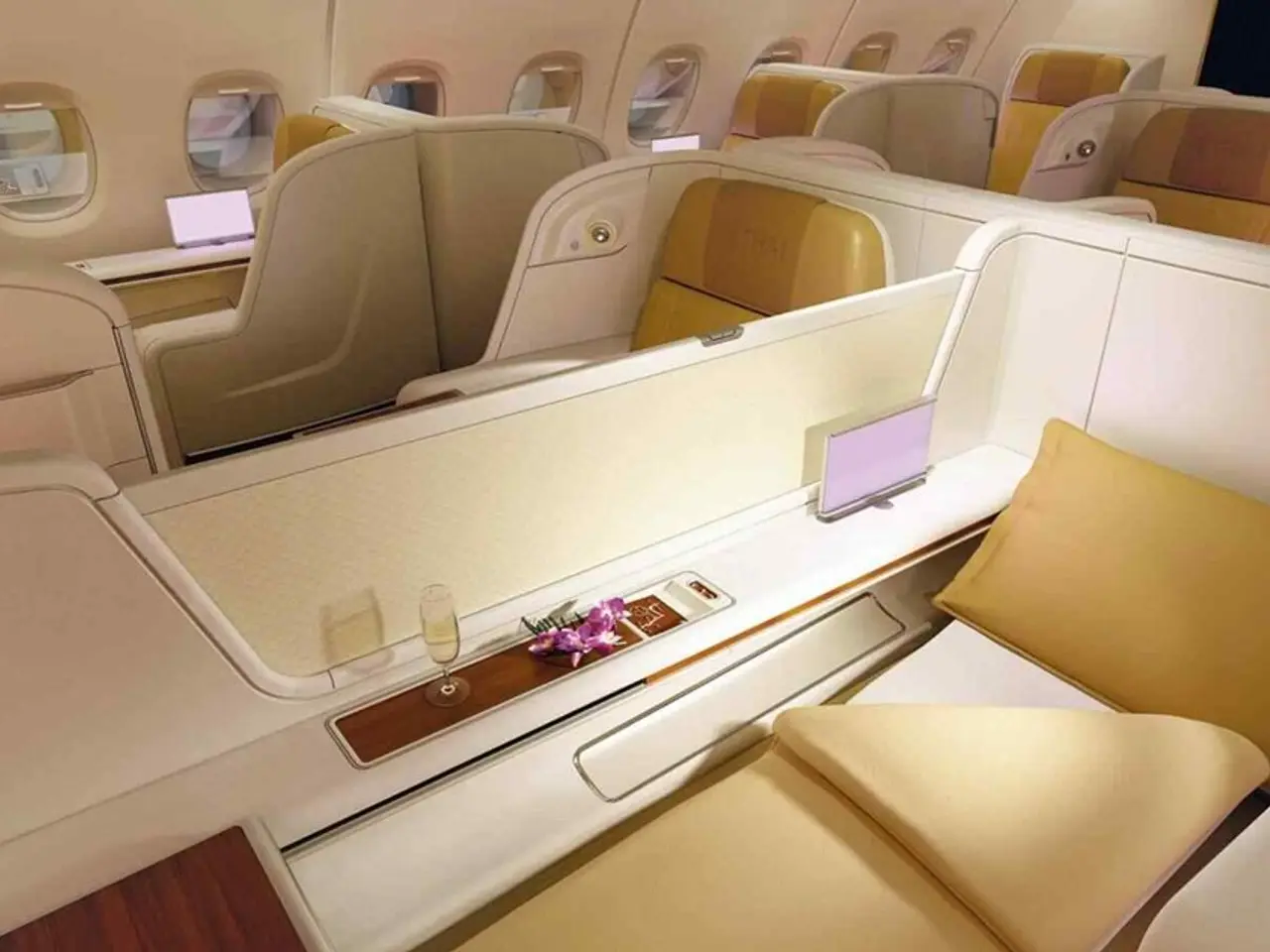
Alaska Airlines Unveils Luxury Business Class with Lie-Flat Seats and Starlink Wi-Fi
Alaska Airlines is rolling out a new business class service this spring, aimed at premium travellers on international routes. The upgrade comes as the airline faces higher jet fuel costs and a slower-than-expected rebound in demand.
The new offering will debut on the carrier's Boeing 787-9 Dreamliners, featuring lie-flat seats, enhanced dining, and high-speed internet via SpaceX's Starlink later this year. The airline's expanded international network will begin with flights to Seoul in April. Service to Rome starts on April 28, followed by London on May 21 and Reykjavik on May 28. Tokyo routes are also planned for later in 2024.
Each business class seat converts into a fully flat bed and includes an 18-inch high-definition screen. Passengers will receive noise-cancelling headphones, wireless charging, and premium bedding. Privacy doors and direct aisle access come standard on every seat.
Dining options will feature varied menus, while travellers gain access to Alaska's airport lounges and partner lounges in the Oneworld alliance. The airline has positioned the new service as a key draw for high-end flyers, despite reporting a larger-than-expected first-quarter loss due to rising fuel prices and softer demand. The first routes will launch this spring, with more destinations set to follow later in the year. The upgraded business class, combined with Starlink internet, aims to strengthen Alaska's appeal in the competitive international market. The airline continues to expand its long-haul network despite financial pressures from higher operating costs.