Bangladesh's education progress since independence still falls short of equity
Bangladesh has made steady progress in education funding since gaining independence day in 1971. Per-student spending has climbed from under $5 to around $70 today, yet challenges remain in ensuring quality and equity. Despite these investments, the country still lacks a legal framework guaranteeing education as a fundamental right.
At independence, Bangladesh's education system was shaped by ideals of dignity and self-determination. Over the decades, public spending on schools has grown, narrowing the gap with similar lower-middle-income nations. However, funding still falls short of global benchmarks, with education receiving only 2 per cent of GDP—far below the recommended 4 to 6 per cent.
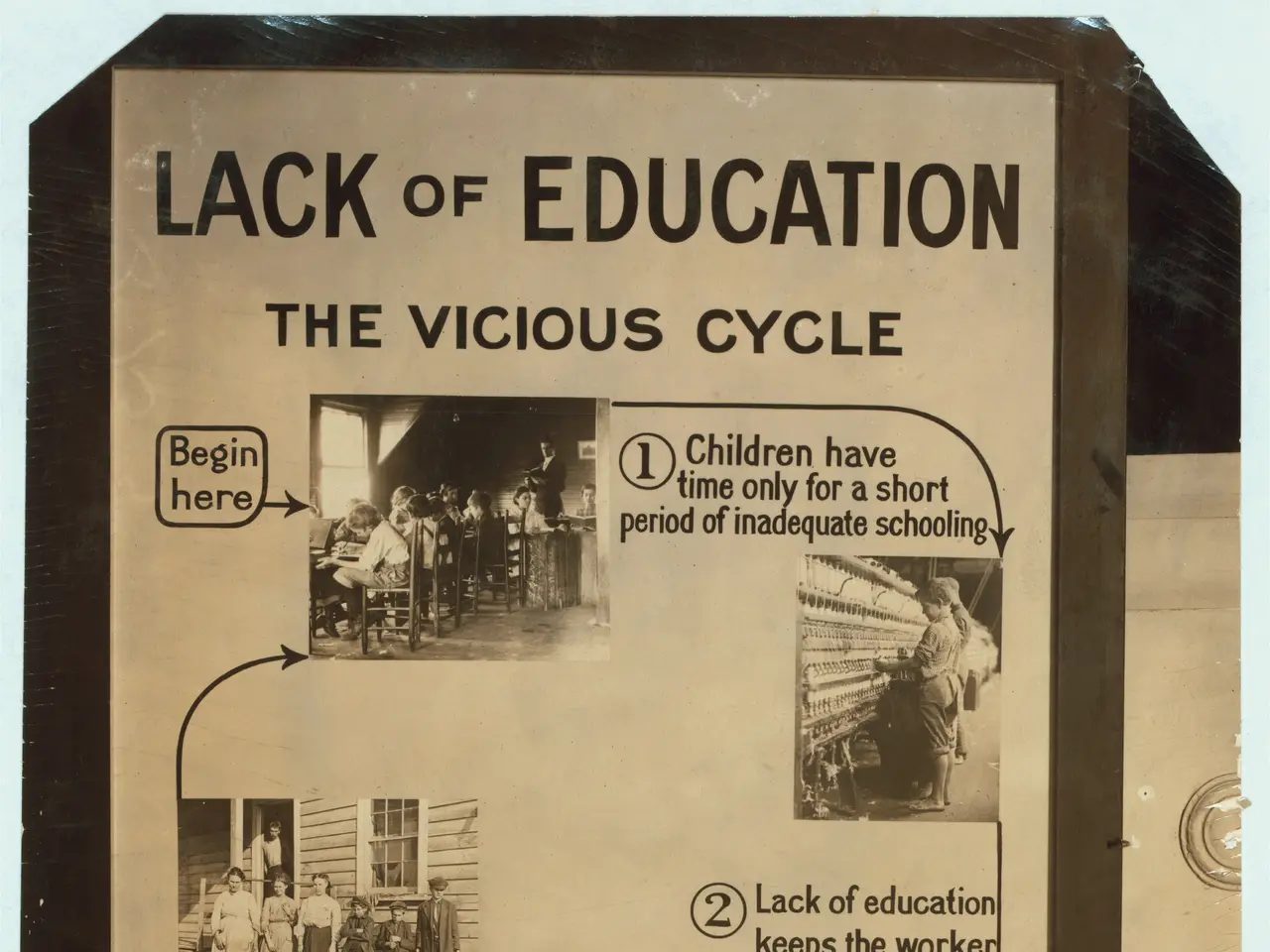
The system often operates as an administrative tool rather than an accountable public service. Schools prioritise rote learning and conformity over critical thinking, reinforcing a 'banking model' of education. This approach limits student agency and weakens democratic values.
Privatisation has widened inequalities, as children from different economic backgrounds rarely share classrooms. Social cohesion suffers when education fails to bring communities together. While initiatives like the National Education Policy 2010, stipends, and tech-based reforms aim to improve access, a lack of legal protections leaves many students without recourse.
Without a Right to Education Act, citizens have no clear way to demand better schooling. Lasting change will require stronger political will, shared responsibility, and ongoing public scrutiny. The future of Bangladesh's democracy may hinge on whether its education system fosters liberation or perpetuates inequality.