How One Man Is Preserving Africa's Elders and Lost Landmarks Digitally
A new digital project is capturing the stories and heritage of Africa's elders before they are lost. Malik Afegbua, the founder of LegacyLink, is recording interviews, scanning heirlooms, and creating lifelike holograms of older generations. His goal is to turn their memories into interactive experiences for public spaces.
The initiative also extends to lost historical sites, with plans to rebuild them virtually using AI and detailed research.
Afegbua has already interviewed 15 elders in Nigeria, with another 30 planned across Nigeria, Kenya, and Cameroon. By 2028, he aims to collect 1,000 stories. Each session involves video recordings, 3D scans of personal artefacts, and in-depth conversations. The final result will be 'digital twins'—holographic displays that allow people to engage with elders' stories as if speaking to them directly.
Some elders were cautious at first, unsure about sharing their lives with technology. Afegbua won their trust by showing slideshows and AI demos, proving how their voices could live on. The project will also include an online chatbot, making the stories accessible in multiple languages through human-checked translations.
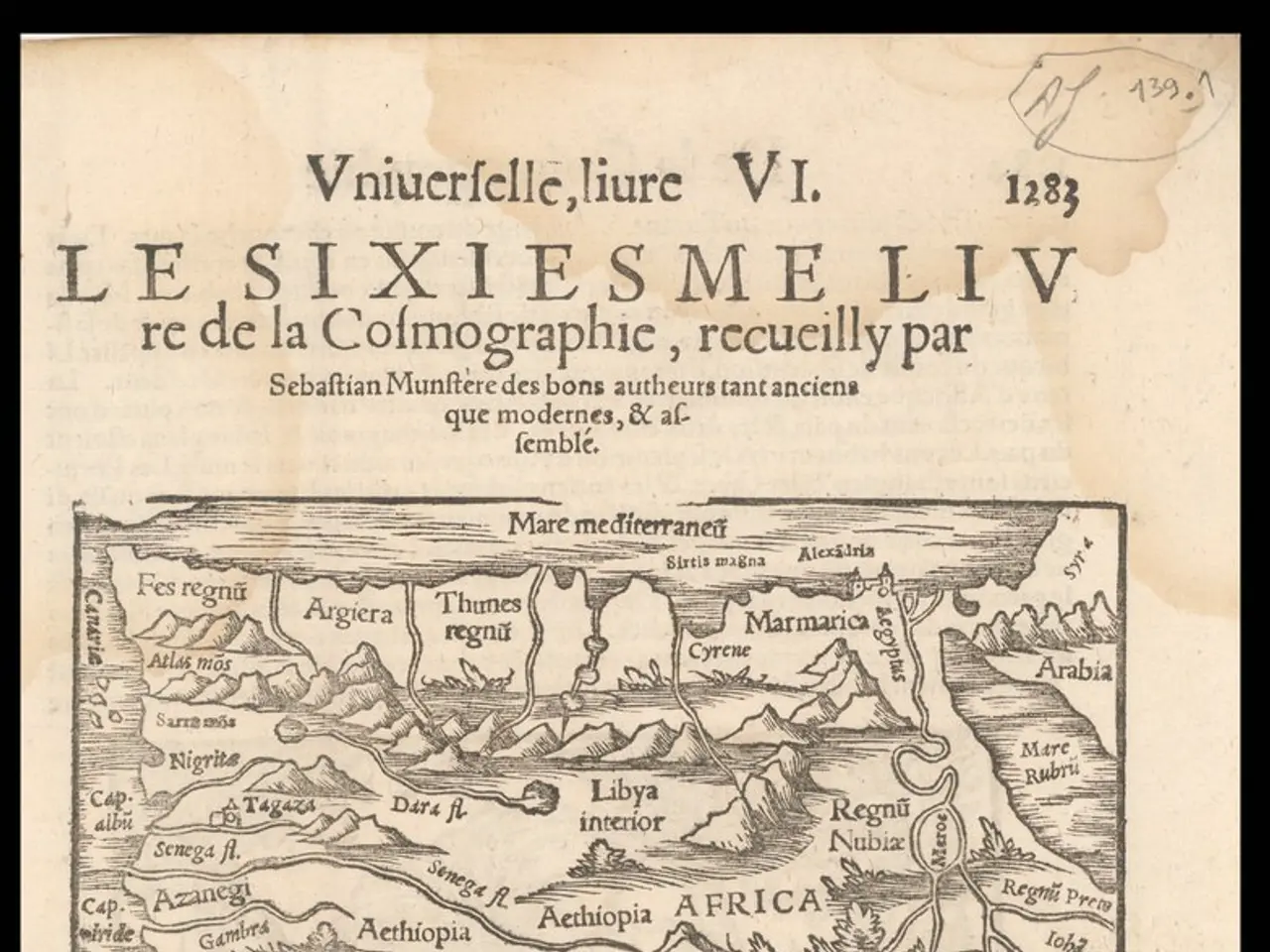
Beyond personal histories, Afegbua is reconstructing lost African landmarks. His ReMemory project begins with the ancient walls of Benin City, built between the 7th and 14th centuries. The virtual rebuild relies on 17th-century Dutch maps, 19th-century British expedition notes, academic studies, and oral traditions from the Edo people. GIS analysis helps ensure accuracy, allowing users to explore the site as it once stood.
The broader vision is to restore languages, symbols, and cultural artefacts through AI. Afegbua wants people to interact with history—not just read about it—but step into it through immersive technology.
The first holographic displays and virtual reconstructions are still in development. Once complete, they will appear in museums, schools, and public squares. The projects aim to keep African heritage alive for future generations, blending old traditions with new technology. Afegbua's team continues to expand, with more interviews and reconstructions planned in the coming years.