How Southeast Asia’s street food became a legacy of family and flavour
Street food in Southeast Asia has transformed from quick bites into a rich culinary tradition. Generous portions and bold flavours now define the region’s bustling food scene. Behind the stalls, families pass down recipes and techniques through generations, keeping local tastes alive.
What began as hurried meals for workers has grown into a vibrant network of family-run stalls and solo vendors. These small businesses serve dishes deeply tied to their communities, from spiced broths to intricate desserts. Even simple bowls of soup carry layers of seasoning, blending tradition with modern twists.
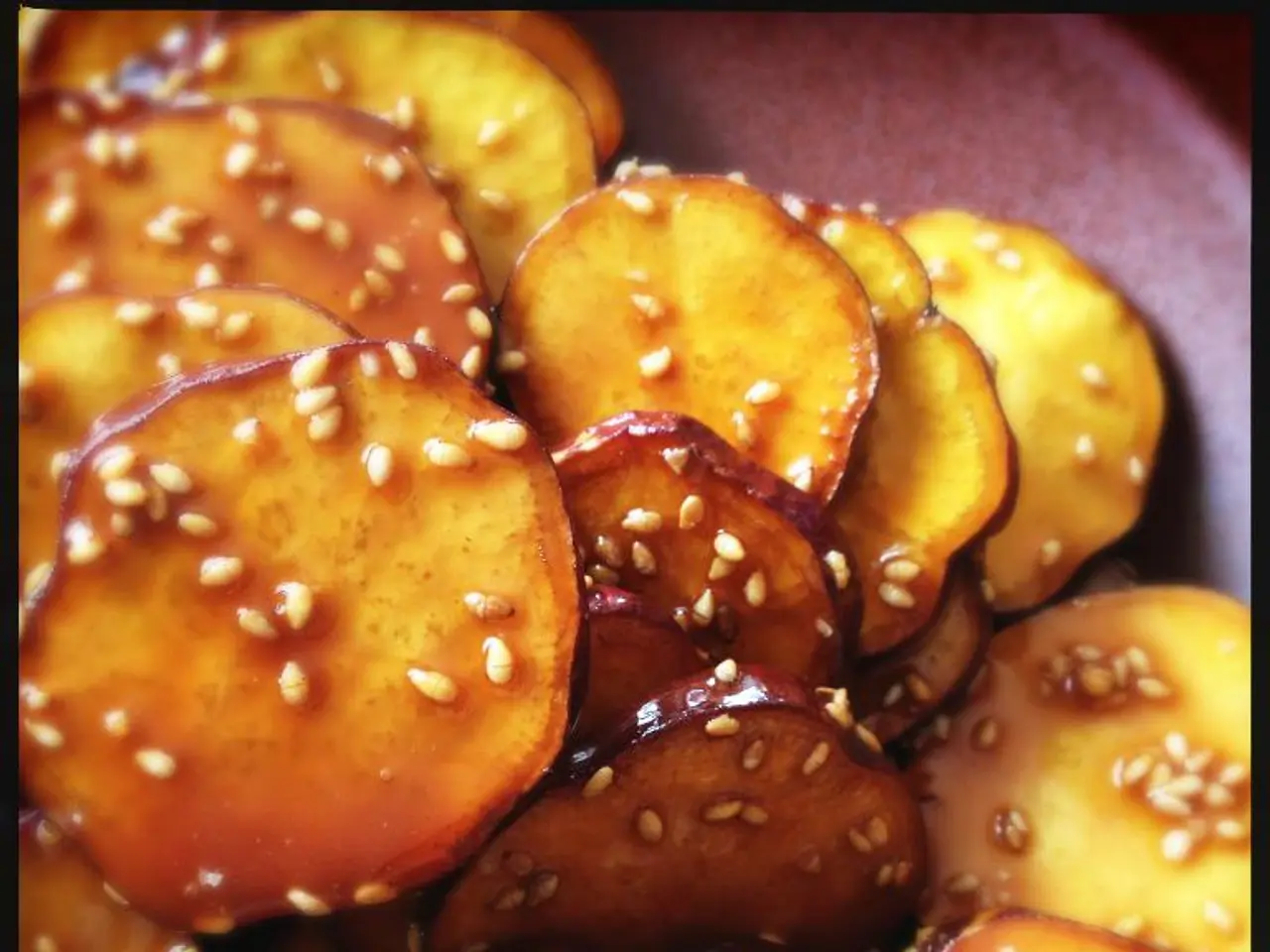
Nowhere is this more evident than in Singapore’s hawker centres. The city-state boasts 148 Michelin-recognised stalls, many run by families with decades of experience. The Hill Street Fried Kway Teow clan, the Hong Kong Soya Sauce Chicken dynasty, and the Tian Tian Hainanese chicken rice lineage are just a few examples. These families—of Chinese, Malay, and Indian descent—have inherited recipes and stalls, preserving flavours in places like Maxwell, Chinatown Complex, and Tiong Bahru. Desserts also tell a story of the region. In Hong Kong, sweet soups offer comfort, while Chiang Mai’s sticky rice, drizzled with coconut and sugar, reflects local tastes. Portions remain hearty, designed to satisfy both hunger and cultural pride.
The rise of street food in Southeast Asia highlights its role beyond just convenience. Michelin stars and family legacies now sit alongside everyday meals, proving its lasting appeal. These dishes, rooted in tradition yet constantly evolving, continue to shape the region’s identity one bite at a time.