
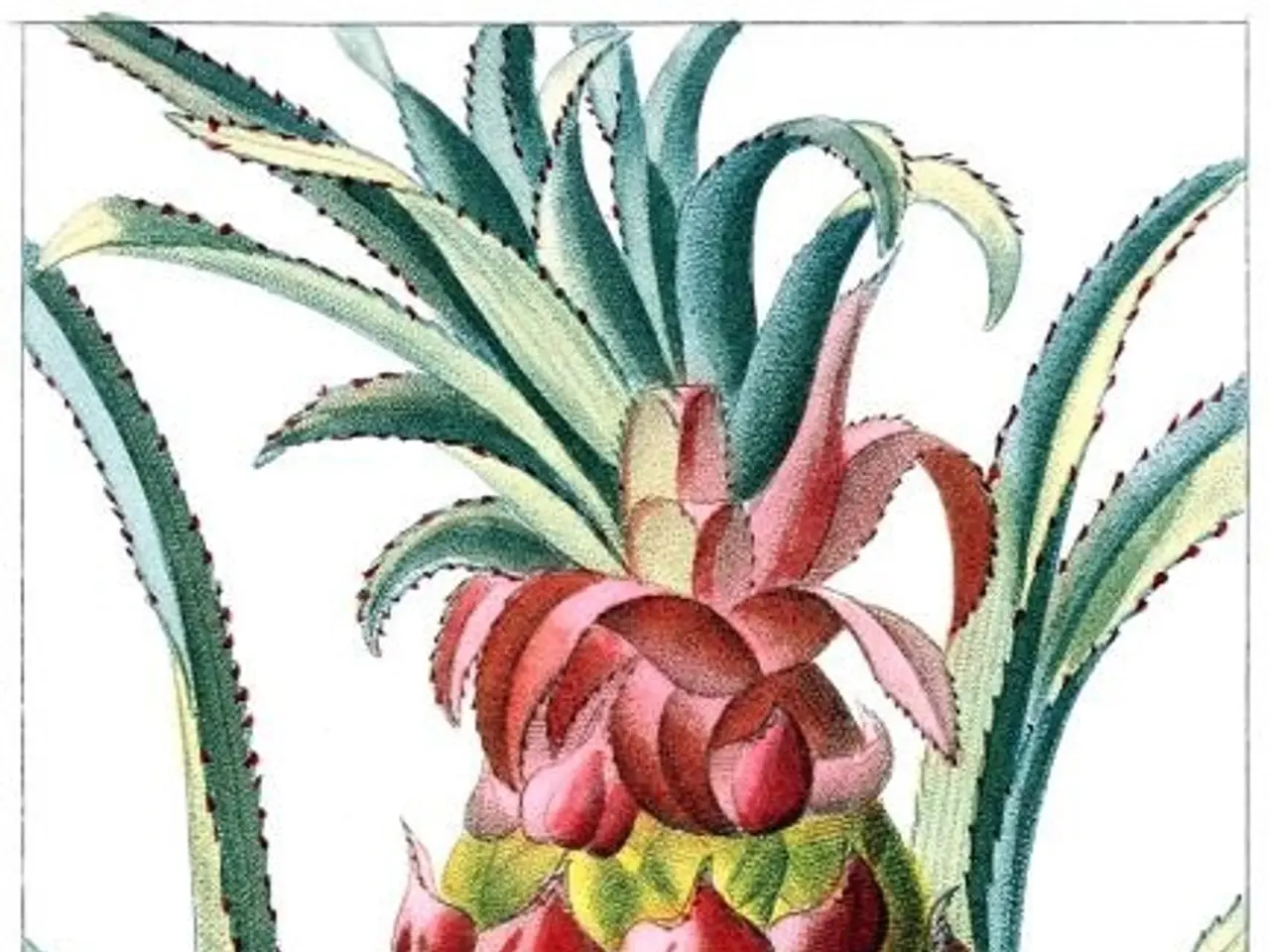
How the Pineapple Became a Symbol of Wealth, Luck and Secret Codes
The Pineapple: Far More Than Just an Exotic Fruit
The pineapple is far more than an exotic fruit—it is a powerful symbol of hospitality. This meaning has deep historical roots dating back to colonial times, when the pineapple was seen as a mark of wealth and splendor. Its striking shape and lush, spiky leaves made it an emblem of luxury, often used to decorate feasts and grand homes. Across many cultures, the pineapple embodies warmth and friendship, frequently given as a gift to welcome guests. In some societies, it carries spiritual significance, believed to attract good fortune and prosperity. Through its role in celebrations and social gatherings, the pineapple underscores the value of hospitality and the pursuit of community. Its diverse cultural interpretations allow this unique fruit to endure as a symbol of warmth and unity in the modern world.
The Upside-Down Pineapple: Meaning and Interpretations
The upside-down pineapple holds special significance in various cultures and contexts. Often interpreted as a symbol of openness and joie de vivre, it is associated—particularly in tattoos—with individuality and an alternative lifestyle. In the world of feng shui, the inverted pineapple is considered a lucky charm, signaling positive energy and an inviting atmosphere in the home.
Within pop culture, the upside-down pineapple has gained traction, especially in connection with swinger parties, where it serves as a discreet emblem. This suggests that the pineapple represents not just hospitality but also an subtle invitation to openness and spontaneity. In many tattoo designs, the inverted fruit symbolizes a life defined by freedom and pleasure. The pineapple's layered meanings—ranging from traditional to avant-garde—demonstrate its remarkable versatility as a cultural icon.
The Pineapple in Art and Culture
The pineapple has long captivated artists and cultural movements, with its influence tracing back to the 15th century. Christopher Columbus encountered the fruit during his voyages to South America and brought it to Europe as a symbol of wealth and opulence. Quickly, it became an emblem of hospitality and friendship, prized as a rare delicacy. Artists and designers incorporated the pineapple into their works to evoke exoticism and discovery.
From paintings to sculptures, the pineapple appears as a decorative motif, representing both affluence and camaraderie. Indigenous peoples of South America valued the fruit not only for its taste but also for its cultural resonance. Today, contemporary artists draw inspiration from the pineapple as a symbol of intercultural exchange and global interconnectedness. Its enduring presence in art and culture cements its status as a unique emblem of human diversity and shared experience.
The Pineapple: Origins and Uses
Native to the tropical regions of South America, the Caribbean, and Central America, the pineapple is a fruit celebrated not only for its delicious flavor but also for its rich symbolic meaning. Christopher Columbus first encountered it in the 15th century and introduced it to Europe, where it swiftly became a symbol of hospitality and prosperity. Indigenous communities regarded the pineapple as an emblem of warmth and friendship, giving it special significance across cultures. In art and culture, it evolved into a popular motif, reflecting lavish lifestyles and a blend of influences.
Beyond its symbolism, the pineapple is incredibly versatile in the kitchen, lending its sweetness to desserts and its tangy depth to savory dishes. Packed with nutrients, it enhances a wide range of culinary creations, making it both a flavorful and enriching ingredient. More than just a treat for the palate, the pineapple remains a potent cultural symbol—one that continues to inspire and connect.