Kalamata's Lyceum Club Revives Messenian Dance and Cultural Heritage
A delegation from the Kalamata branch of the Lyceum Club of Greek Women recently held a seminar on Messinian traditional dance, music, and costume. The event, led by Gina Karelia, brought together around 150 participants to explore the cultural history of the region through interactive workshops and discussions.
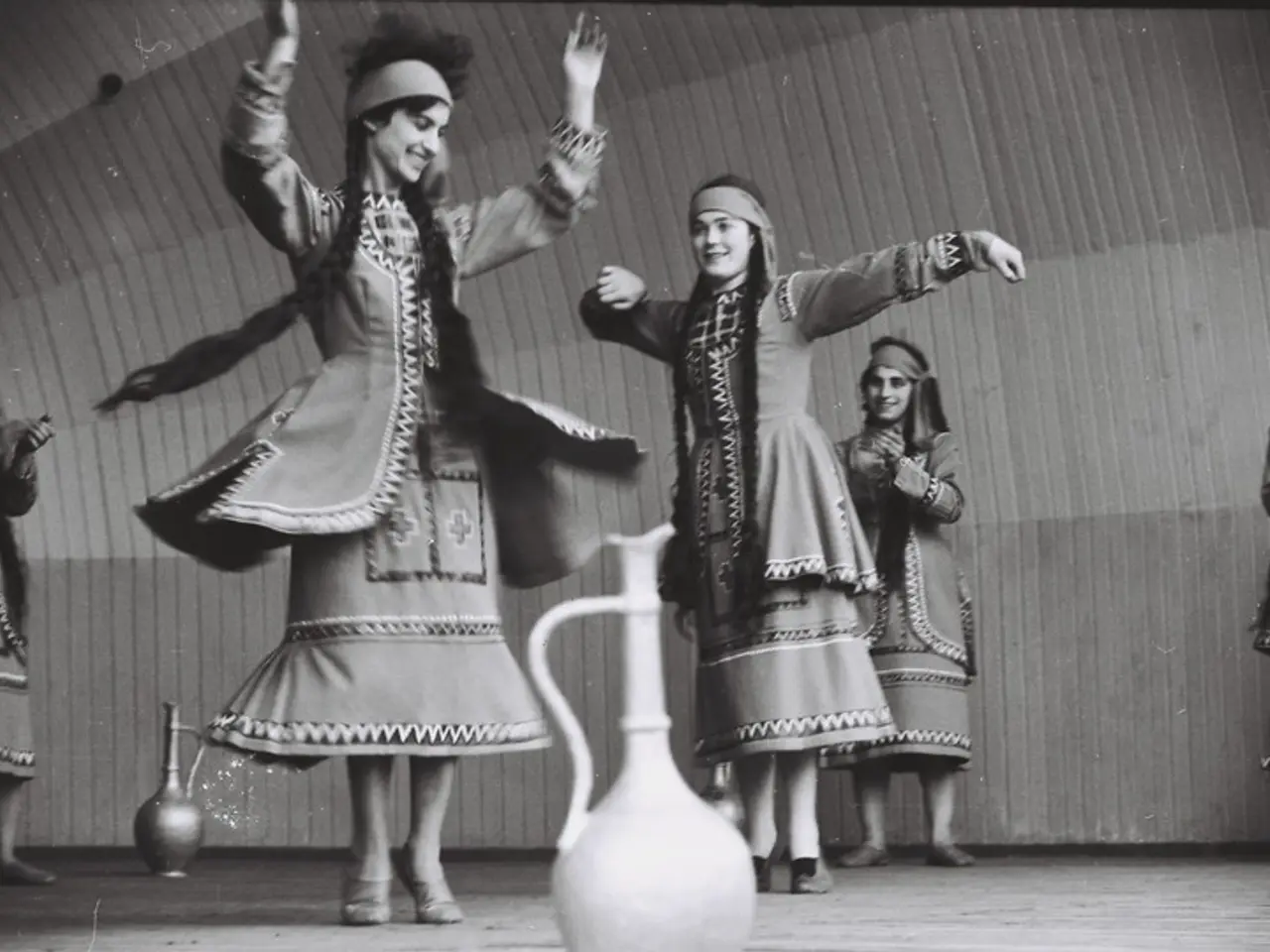
The seminar took place in Kalamata and served as an introductory workshop in cultural heritage. Participants engaged directly with traditional dancers and choreographer Agesilaos Tsakalakos, observing choreography and examining costume details. Three traditional costumes were presented, with explanations linking them to the historical and social developments of regional dance traditions.
Tsakalakos described traditional dance as a reflection of historical experience, collective memory, and cultural values. He highlighted how movements, rhythms, formations, and costumes often reveal the social and historical conditions of their communities. A distinction was also made between 'living tradition,' rooted in everyday life, and staged folklore performances adapted for audiences.
The event was supported by George Vlahakis, president of the Pan-Messinian Federation of USA and Canada, along with the Pan-Messinian Association of Toronto. These organizations have played a key role in preserving Messenian folk dance traditions within North American Greek diaspora communities. Cultural centers in cities like New York, Chicago, and Toronto regularly host performances and workshops to teach younger generations the traditional steps and music.
The seminar successfully introduced elements of Greek regional culture to members of the diaspora. By combining discussion with live demonstrations, it strengthened connections between cultural history and contemporary practice. Efforts to preserve these traditions continue through ongoing initiatives in both Greece and North America.