Kazakhstan's National Clothing Day Revives Ancestral Fashion During Nauryz
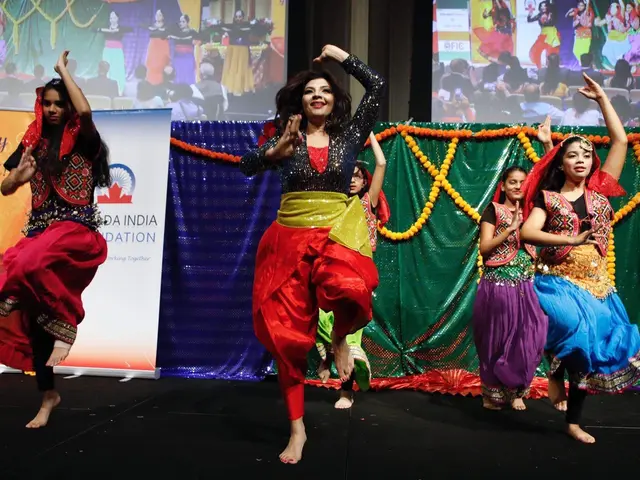
Kazakhstan has celebrated National Clothing Day as part of its Nauryz festivities. The occasion highlights the country's rich cultural heritage by encouraging people to wear traditional garments. For many, these clothes serve as a link to their ancestors and a symbol of national identity.
The holiday was created to revive interest in traditional Kazakh attire. Events across the country feature outfits like chapans (robes), kimeshek (headscarves), and takiyah (caps). Wearing these garments on National Clothing Day carries special meaning, reinforcing cultural pride.
Over the past five years, more Kazakhs have begun incorporating ethnic clothing into daily life. While still most common at festivals and celebrations, traditional dress is now seen more often in cities like Almaty and Nur-Sultan. Social media trends and tourism have helped boost its popularity, though everyday wear remains limited. Nauryz celebrations in traditional attire bring families and communities together. The shared experience strengthens connections between generations and keeps cultural traditions alive.
National Clothing Day has become a key part of Nauryz, promoting traditional Kazakh garments beyond special occasions. The growing visibility of chapans, kimesheks, and takiyahs reflects a renewed appreciation for cultural heritage. Organisers hope the holiday will continue encouraging wider adoption of national dress in modern life.