Mexico races to expand pipelines as nearshoring fuels record energy demand
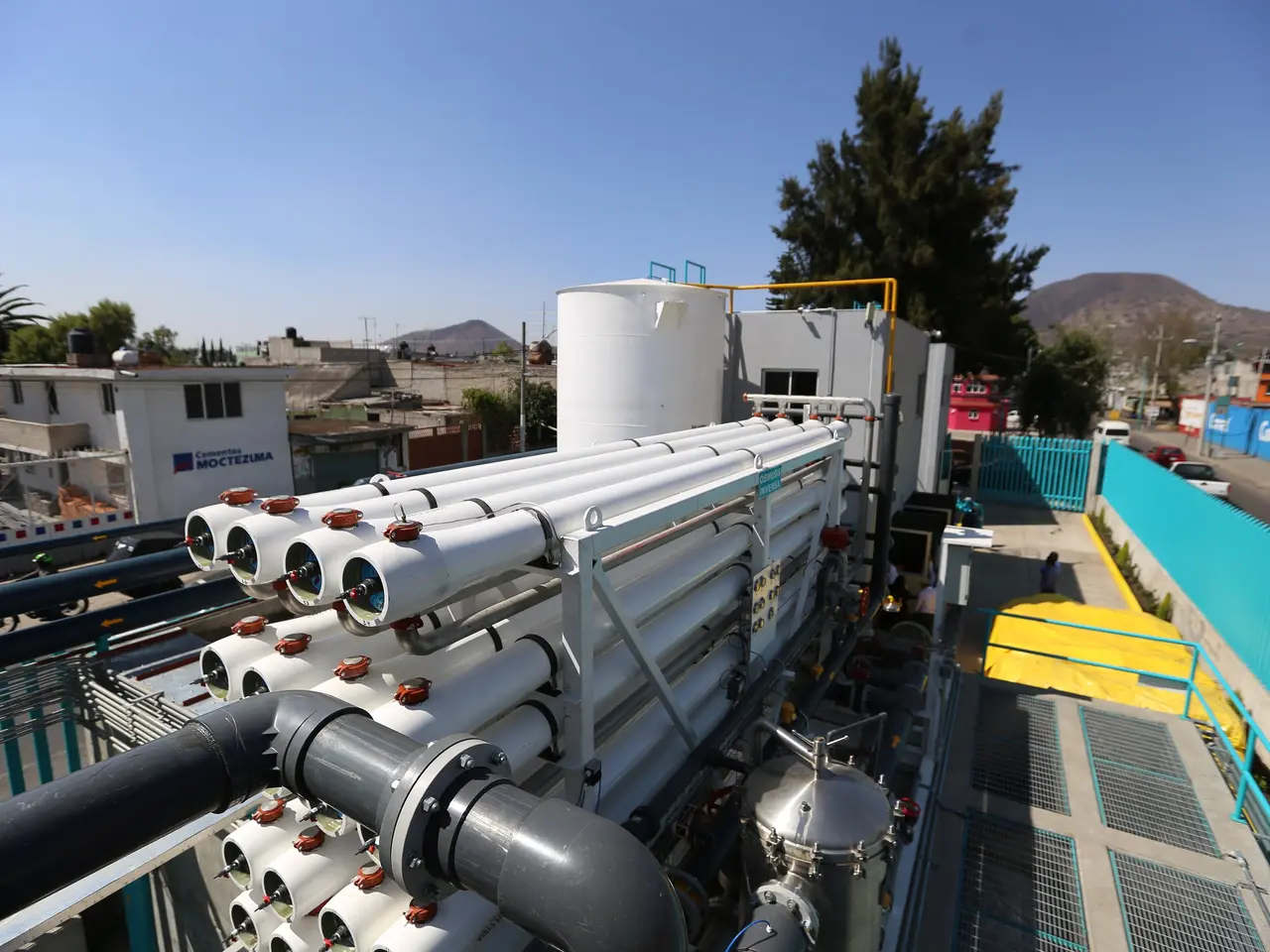
Mexico is expanding its pipeline network to meet rising energy demands driven by industrial growth. The country's 21,000 kilometres of pipelines, spread across 20 states, now face increased pressure as foreign investment surges. Nearshoring has pushed electricity and natural gas consumption to record levels in key manufacturing hubs.
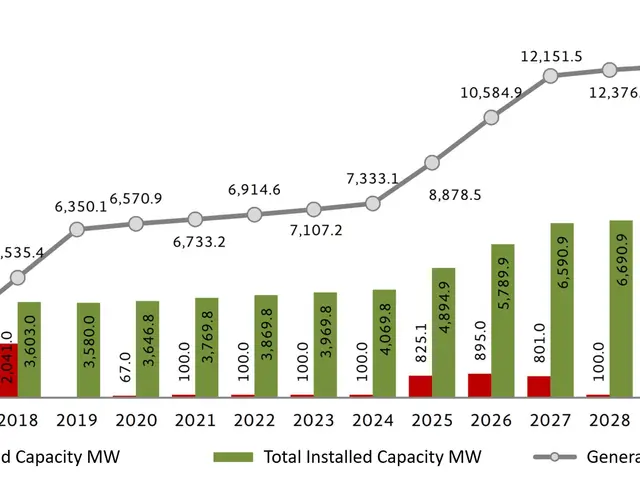
Between 2021 and 2025, industrial centres like Monterrey, Tijuana and Ciudad Juárez saw electricity demand jump by 15–25% and natural gas use rise by 20–30%. Monterrey alone experienced a 28% spike in power needs, largely due to new automotive and electronics plants. These sectors, alongside data centres and advanced manufacturing, have become major energy consumers.
Natural gas already supplies over 60% of Mexico's electricity, powering nearly 70% of its thermoelectric plants. With annual electricity demand projected to grow by 3% until 2027, the government is prioritising infrastructure upgrades. The Mayakán pipeline expansion in the Yucatán Peninsula will double its gas transport capacity, addressing regional shortages. To support this growth, the National Natural Gas Control Center (Cenagas) will invest over 32 billion pesos between 2025 and 2030. Initial funding in 2025 alone will exceed 3 billion pesos, targeting pipeline maintenance and new construction. The push comes as foreign direct investment hit a historic high of $40.871 billion in 2025, much of it tied to nearshoring. Key pipelines like Los Ramones, Tuxpan-Tula and Puerta al Sureste remain critical to Mexico's energy strategy. These networks ensure gas flows to power plants and factories, reducing reliance on imports and stabilising supply for industries.
The pipeline investments aim to secure Mexico's energy future as industrial demand climbs. Expanded capacity will help meet the needs of new factories, data centres and manufacturing sites. With nearshoring expected to drive further growth, the upgrades will play a central role in preventing shortages and supporting economic expansion.