Neon art reveals the hidden stories of women's monuments across Europe
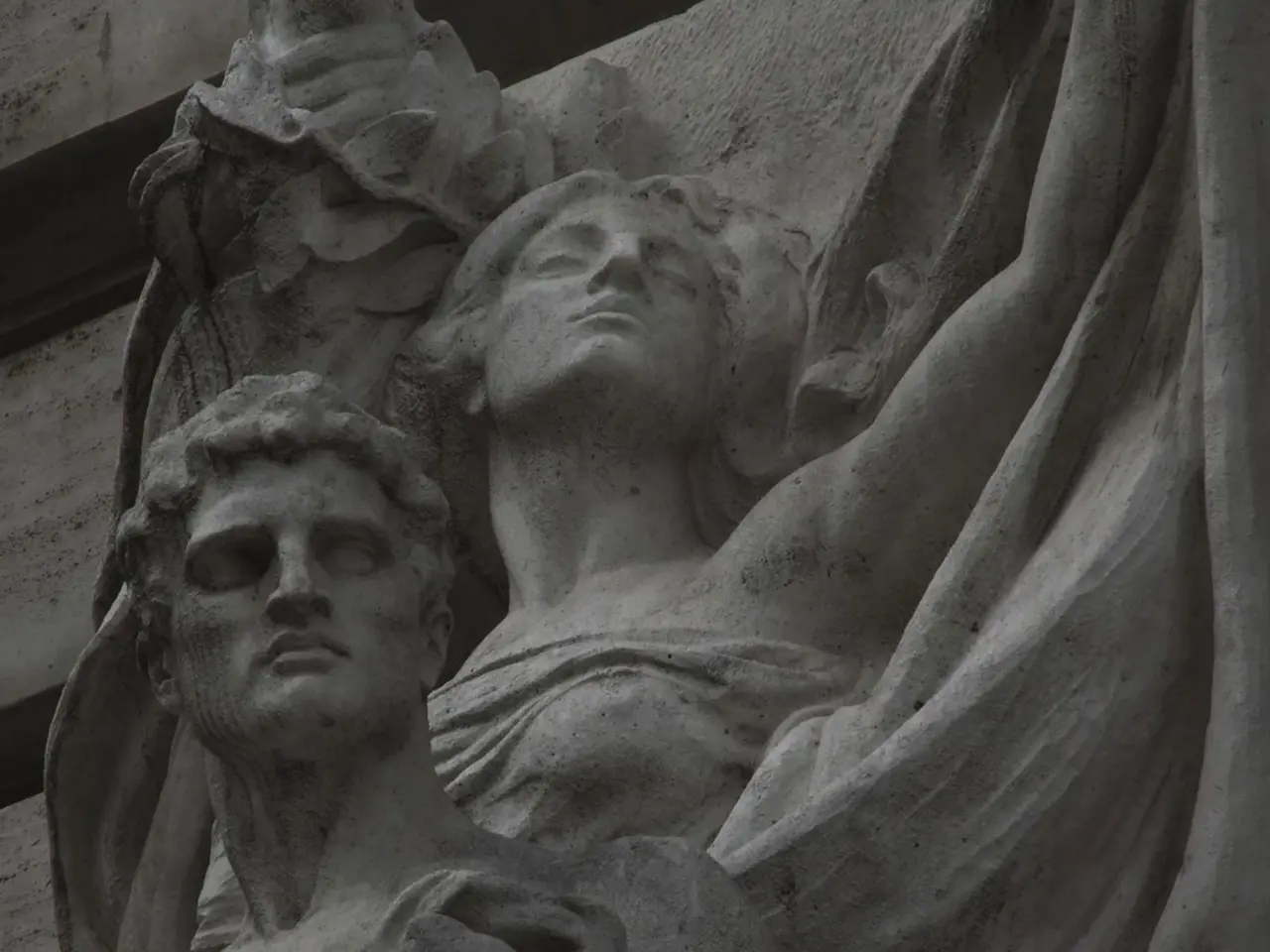
For the past five years, German artist Frauke Beeck has travelled through Germany, Austria and Switzerland to document women's monuments. Her work, now published online by Wikimedia, highlights how these statues differ from those honouring men. Using neon colours, she has transformed 1,234 monuments into striking artworks while drawing attention to their often overlooked presence.
Beeck's project began with a simple observation: male statues dominate public spaces in size and prominence. Men are frequently depicted towering over viewers, while women's monuments tend to stand at ground level, tucked away in less central spots. Over time, she archived 300 such monuments across the German-speaking world, later expanding the count to 1,234.
Her artistic approach involves reimagining these statues in vivid neon. In Basel, a fountain inspired by surrealist artist Meret Oppenheim now glows in bright hues near the SBB station. Similarly, a sculpture of Swiss folk heroine Catherine Royaume on a building near Geneva's Opera House shines in radiant yellow. These transformations make the monuments more visible while preserving their intimate, approachable quality.
Among the documented figures are Lucy Walker, the first woman to summit the Matterhorn, whose statue stands in Zermatt's Museum Square. Beeck also compiled 40 Swiss women's monuments into a pocket-sized book, pairing neon portraits with short biographies. The most common categories in her archive include politics (such as Clara Zetkin), arts and culture (like Käthe Kollwitz), and science (including Marie Curie).
By publishing her findings online, Wikimedia ensures that Beeck's research remains accessible. Her work not only celebrates these women but also challenges how history is visually represented in public spaces.
The archive now serves as a lasting record of women's contributions across Germany, Austria and Switzerland. Beeck's neon interpretations bring these monuments into sharper focus, contrasting their modest scale with the imposing statues of men. The project continues to grow, offering a new way to engage with often-forgotten historical figures.