Nigeria's Education Balances Tradition and Modern Challenges in Diverse Classrooms
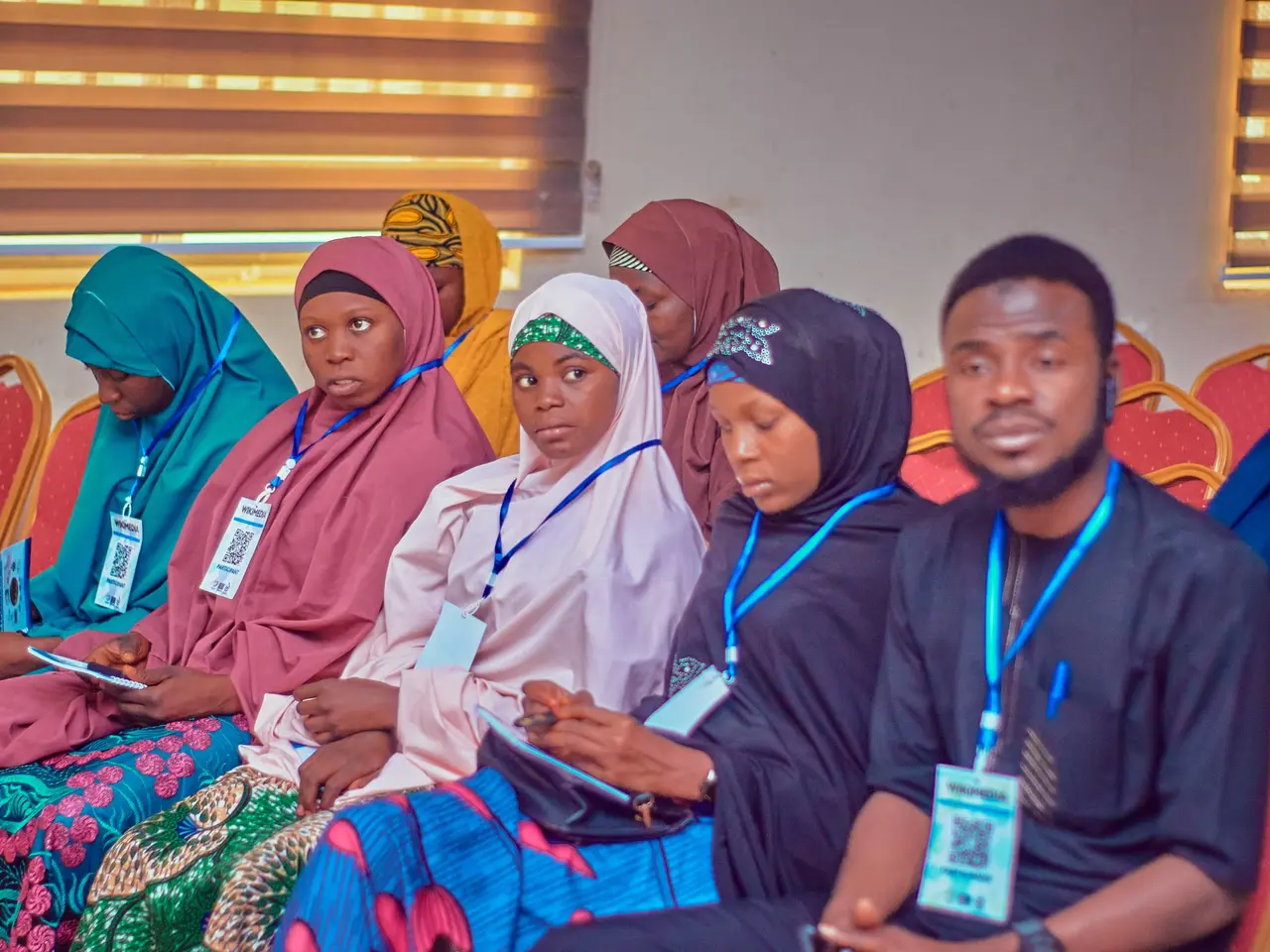
Education in Nigeria reflects a mix of cultural traditions and modern challenges. Across the country's diverse ethnic groups, learning experiences vary widely, shaped by language, community values, and access to resources. While formal schooling remains highly valued, traditional methods of knowledge-sharing continue to play a key role in many families.
In Nigerian households, parents often stress the importance of formal education as a path to success. Many encourage their children to focus on career-oriented subjects, believing this will secure future opportunities. Yet, alongside this emphasis, oral traditions like storytelling and communal activities remain vital for passing knowledge between generations.
Children frequently learn through observation and structured guidance, reflecting cultural values of respect for elders and community bonds. This approach extends to classrooms, where students often show deference to teachers as authority figures. However, the education system itself faces persistent difficulties, including overcrowded classrooms and limited resources. These challenges make it harder for teachers to give individual attention to learners.
The gap between urban and rural areas further shapes educational experiences. Urban children tend to have access to a broader range of opportunities, from better-equipped schools to extracurricular activities. In contrast, rural learners may rely more on community-based support, with local leaders and organisations stepping in to fill gaps. Yet, even in cities, the curriculum often prioritises exam performance over creativity, which can discourage curiosity and independent thinking.
To foster a stronger love for learning, educators are increasingly exploring ways to blend cultural elements into teaching. Interactive methods, parental involvement, and community collaboration are seen as potential solutions. These approaches aim to make lessons more engaging while respecting traditional values.
Nigeria's education landscape remains a balance between tradition and adaptation. Cultural practices continue to influence how children learn, while systemic challenges demand innovative solutions. By integrating local knowledge and community support, schools can work toward a more inclusive and effective approach to teaching.