NOAA Overhauls El Niño and La Niña Tracking Amid Climate Shifts
NOAA has updated its method for tracking El Niño and La Niña events due to rapid climate shifts. The new approach, introduced this month, adjusts how tropical Pacific temperatures are measured against global trends. Scientists link these changes to rising clima and more extreme weather patterns worldwide.
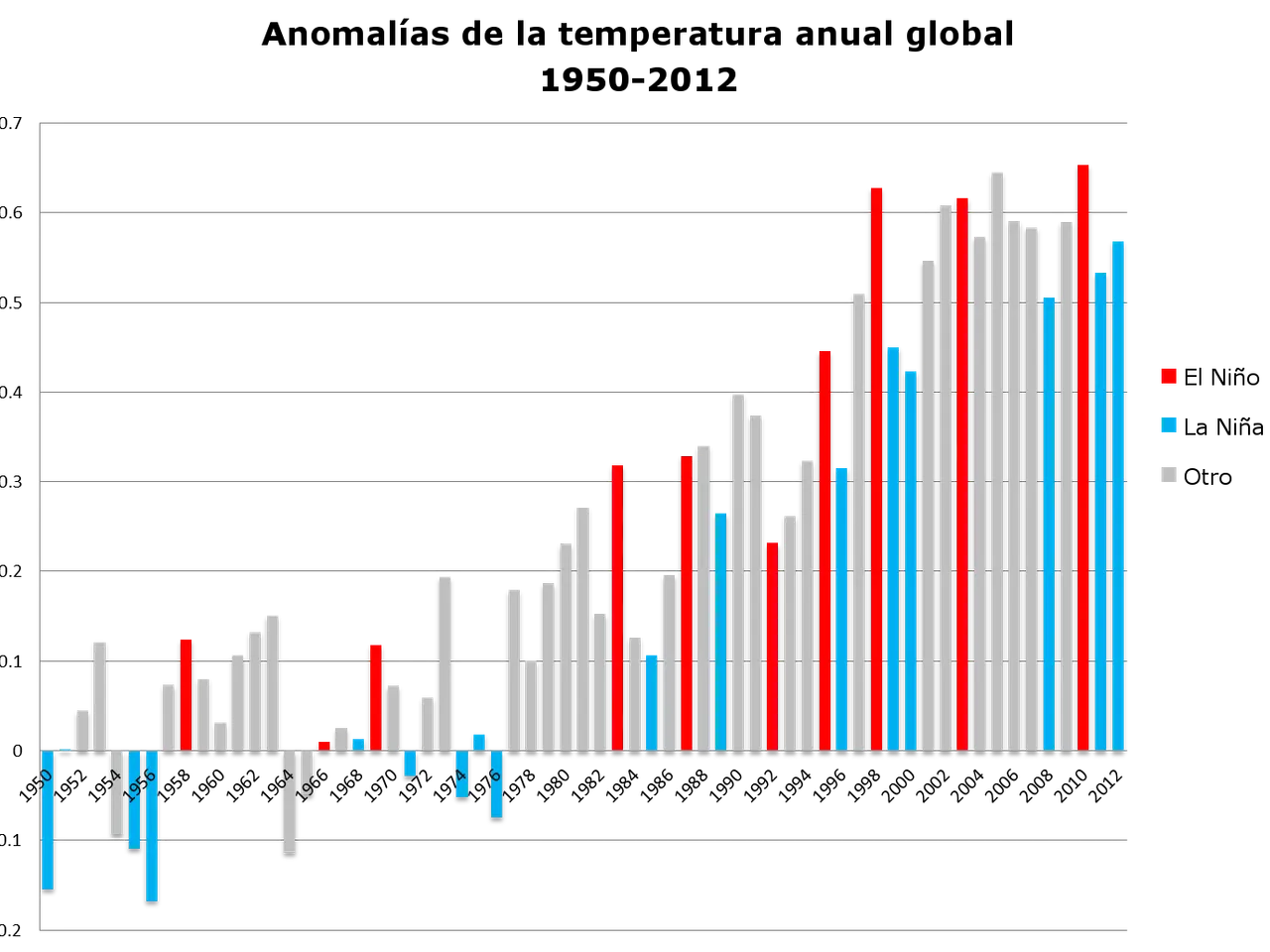
El Niño and La Niña are natural clima cycles that disrupt global weather. El Niño brings warmer waters to the equatorial Pacific, while La Niña cools the same region. Both phases influence storms, droughts, and temperature swings across the planet.
From 2020 to 2023, Earth experienced an unusual 'triple dip' La Niña—three consecutive years without an El Niño in between. This prolonged cooling phase contributed to a spike in Earth's energy imbalance, where more heat was trapped than released. By 2022, this imbalance had grown, pushing global temperatures higher.
A recent study found that about 75% of the energy imbalance shift came from the transition between La Niña and El Niño, combined with long-term human-driven warming. La Niña events often intensify hurricane activity and drought in the US, while El Niño tends to suppress Atlantic storms but raises global heat.
NOAA's revised classification system now uses a relative index, comparing Pacific temperatures to broader tropical averages. Within two months of its mid-2023 rollout, two weak La Niña events were reclassified as neutral under the new criteria. This adjustment reduced the official count of La Niña occurrences in the Niño 3.4 region during July–August 2023.
Looking ahead, NOAA forecasts an El Niño forming later this year. If it develops, Atlantic hurricane activity may weaken, but global temperatures could climb further by 2027.
The updated NOAA method aims to improve accuracy in tracking clima cycles amid warming trends. With El Niño potentially returning, scientists expect shifts in storm patterns and continued temperature rises. The changes reflect ongoing efforts to adapt monitoring systems to a rapidly changing clima.