Post-Brexit passport rules leave EU and Commonwealth families in limbo
New passport rules introduced after Brexit are causing concern for EU citizens and older Commonwealth migrants. Many now fear they may struggle to visit relatives in the UK under stricter border controls. The changes, set to take effect from 25 February, have left some unsure about their eligibility to enter Britain.
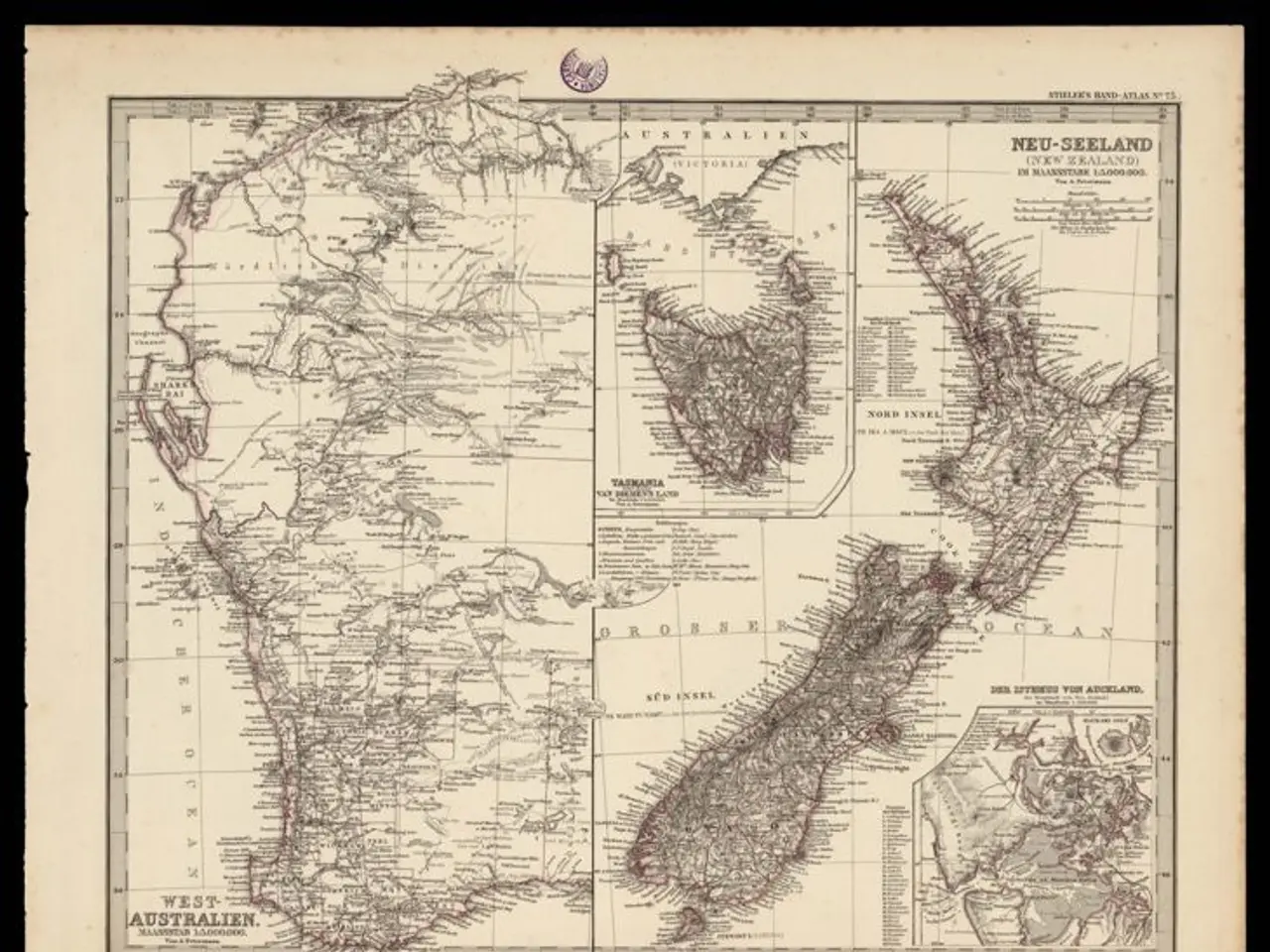
The updated rules require UK migrants to hold British passports for visits, even for short holidays. This shift particularly affects the so-called '£10 Poms'—postwar Brits who moved to Australia and New Zealand decades ago. With around 80% of New Zealanders having British ancestry, an estimated 17% could qualify for UK passports, yet many remain uncertain about their status.
Children of UK migrants may automatically hold citizenship by descent, but others could miss out due to birth timing or location. The British High Commissioner, Iona Thomas, stated that the changes to Electronic Travel Authorisations (ETAs) and passport rules aim to improve security. Officials advise travellers to verify their citizenship status online before planning trips.
In Australia, roughly 1.1 million people were born in the UK, with a median age of 59.4. Meanwhile, about 208,000 UK citizens live in New Zealand, though unrecorded numbers may be higher. New Zealanders in the UK are the most likely migrant group to hold dual citizenship, at 49.2%, followed by South Africans and Australians.
The new rules mean some families may face difficulties reuniting in the UK. Those with British heritage but unclear citizenship status must now check their eligibility before travelling. The changes reflect broader post-Brexit adjustments to border security and immigration policies.