Raksha Bandhan 2024 Celebrates Sibling Bonds with Sacred Rituals Across India
Raksha Bandhan, also called Rakhi, is being celebrated with great enthusiasm across India. The festival falls on the full-moon day of the Hindu month of Shravan, usually between July and August. Families gather to honour the special bond between brothers and sisters through time-honoured rituals and festivities.
The day begins early, with people dressing in traditional clothes and preparing special dishes. Many head to rivers, lakes, and ponds for ritual baths, while coconuts are offered to Varuna, the god of water.
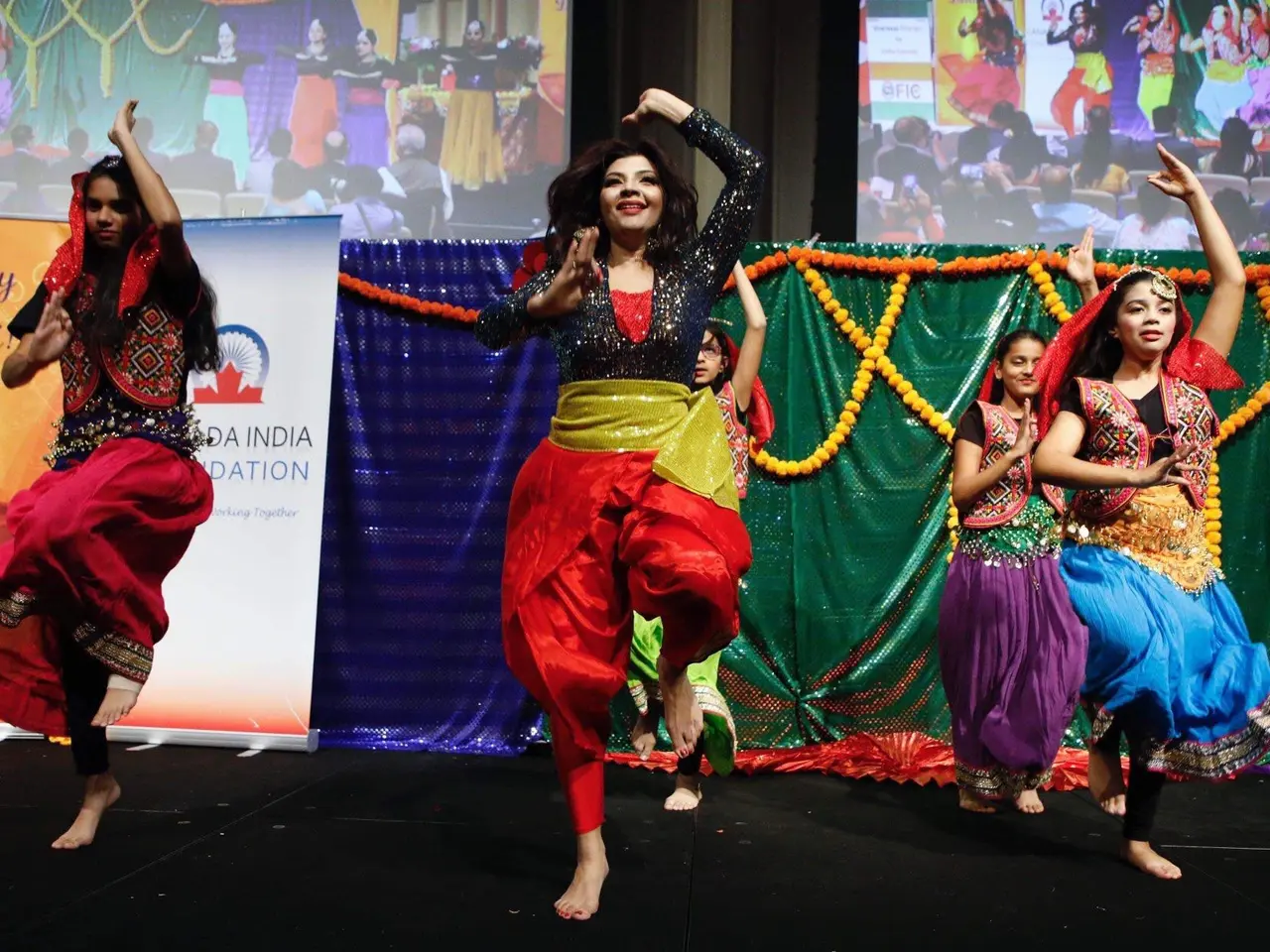
The heart of the celebration lies in the rakhi ceremony. Sisters tie a sacred thread around their brothers' wrists, praying for their well-being. In return, brothers promise to protect and support their sisters throughout life. For upper-caste communities, especially Brahmins, the festival holds added significance. Sacred threads are renewed, symbolising spiritual commitment. Meanwhile, in regions like Nepal, similar traditions—known as Janai Purnima—include fasting, rice pudding, and sun offerings accompanied by music and dance. Despite its deep roots, little is documented about how Raksha Bandhan customs in rural India may have changed over recent decades.
Raksha Bandhan remains a day of joy, uniting families through rituals and shared meals. The exchange of rakhis and promises reinforces bonds between siblings. For many, the festival also carries religious and cultural importance that has endured for generations.