Relleno Negro: The Maya’s Sacred Chili Stew That Honors Ancestry
In the Yucatán Peninsula, the Maya people honour their ancestors during the Days of the Dead with a rich culinary tradition. One of the most distinctive dishes prepared is Relleno Negro, a deeply flavourful stew tied to ancient rituals. Once part of a sacred funeral custom, this black-hued meal now takes centre stage at November’s Hanal Pixán festival.
The origins of Relleno Negro trace back to pre-Hispanic Maya beliefs. Until around three or four decades ago, mourners in Yucatán washed the deceased’s body with water infused with chocolate and the dish itself. This ritual, called Bó-Kebán, was thought to ease sorrow and guide the dead toward a better afterlife. Chocolate symbolised life and divinity, while the black recado paste—made from toasted chilies, cloves, cumin, and achiote—represented purification.
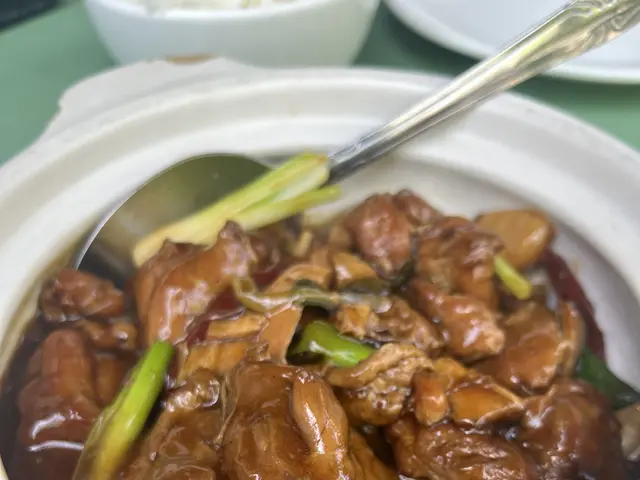
The dish remains a staple during Hanal Pixán, celebrated on November 1 and 2. Its preparation starts with Recado Negro, a dark paste of ancho chilies, black pepper, and spices, toasted and dissolved in broth. The stew combines turkey and pork, simmered until tender. Alongside, a meatball called But—made of ground meat, tomato, onion, epazote, egg, and boiled egg pieces—is gently cooked in the consommé to hold its shape. Traditionally, Relleno Negro is served with a portion of each meat and half a meatball. The deep black colour, striking to the eye, comes from the charred chilies and spices. Though no longer used in funerals, the dish carries forward the flavours and meanings of an ancient tradition.
Today, Relleno Negro is a cherished part of Yucatán’s Days of the Dead celebrations. The meal connects modern Maya communities to their ancestors through taste and ritual. Once a sacred offering, it now brings families together in remembrance and feasting.