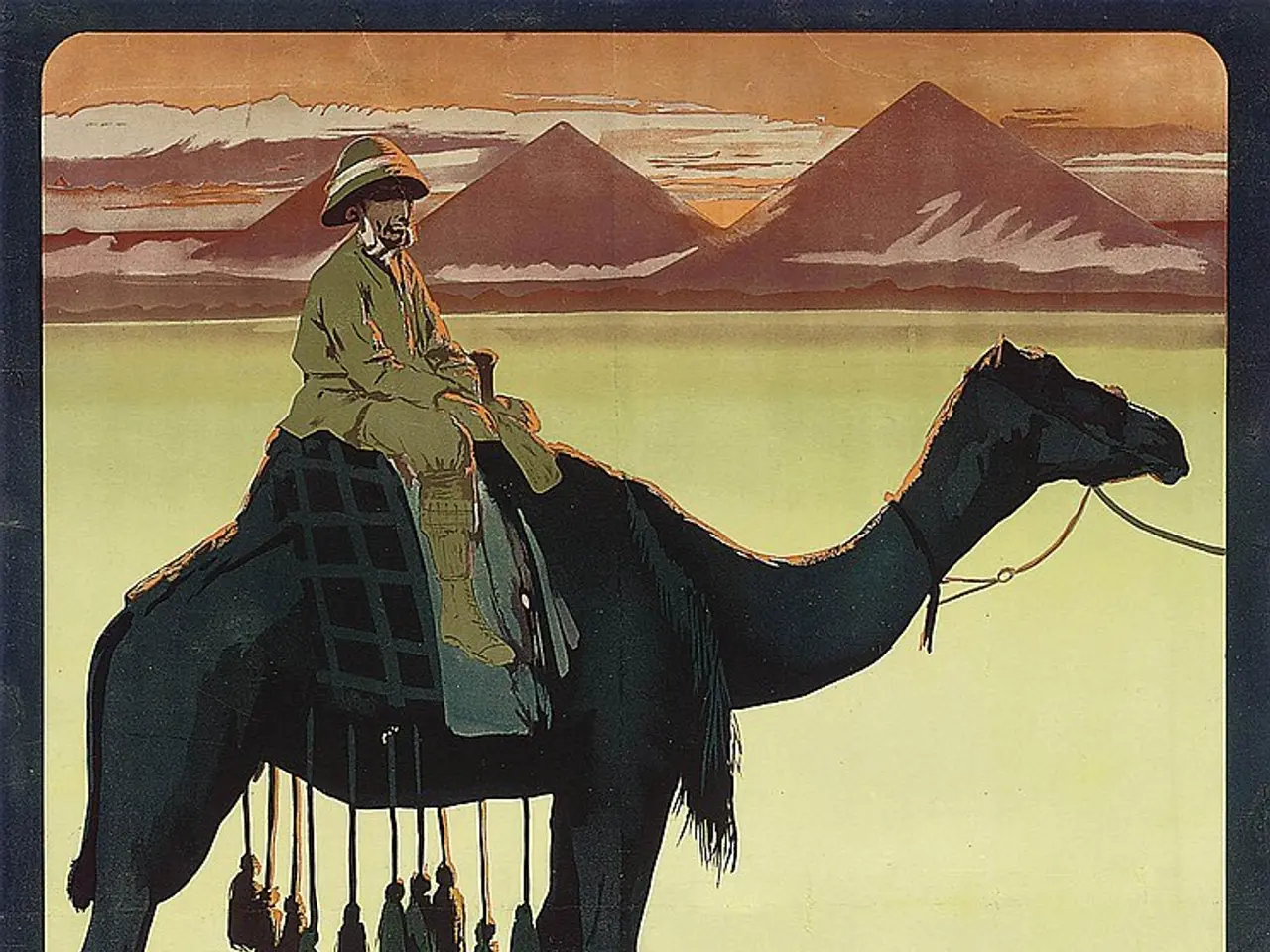
Russian travellers ditch UAE for Egypt as Middle East tensions reshape 2026 holidays
Russian travellers are shifting their holiday plans for spring 2026 after recent disruptions in the Middle East. Egypt has now become the top choice for those originally heading to the UAE. Other destinations, including Turkey and parts of Asia, are also seeing increased interest.
Around 40% of bookings meant for Middle Eastern resorts have been moved to Egypt. The country's strong service standards, short flight times, and wide range of hotels make it an appealing alternative. Hotels there have confirmed they will not raise prices immediately, despite the surge in demand.
Turkey is another key destination gaining popularity among Russian tourists. However, costs for trips to both Egypt and Turkey could climb if air transport becomes scarce or fuel prices rise. For those seeking beach holidays, Southeast Asian countries like Vietnam, Sri Lanka, and China are now being recommended. The Maldives, though still in demand, may see some visitors redirecting to these alternatives. Meanwhile, sightseeing travellers are looking at Georgia, Uzbekistan, and Armenia. Domestic tourism within Russia is also picking up as more people explore local destinations.
Egypt and Turkey are set to dominate Russian travel plans for 2026, with Egypt already taking a large share of redirected bookings. While prices may increase due to transport challenges, other regions like Southeast Asia and domestic spots are filling the gap. The shift reflects changing preferences as travellers adapt to new circumstances.