Russia's investment forum reveals cautious optimism amid economic pressures
PrimaMedia, March 30 – How to operate in an environment of high borrowing costs, where to look for safe-haven assets, and why cutting the key rate to 12% won't immediately trigger a market rebound—these were the key questions discussed by participants in a plenary session at VTB's Russia Calls! Yekaterinburg Investment Forum (18+), held March 27–28 in Yekaterinburg. The session was moderated by Dmitry Sredin, head of VTB Bank's Market Industries Client Department, according to the bank's press service.
Macroeconomic Pressures Weigh on Consumer Sectors Pavel Strogonov, CEO of Konti-Rus, spoke about how macroeconomic challenges are squeezing consumer industries.
"Over the past two years, exports have been nothing short of charity for me," he admitted, though he stressed that withdrawing from foreign markets is not an option—competitors would quickly fill the void. At the same time, he noted that the confectionery sector remains an attractive investment due to its high pace of innovation, accounting for 25% of all new products in the fast-moving consumer goods segment.
Developers Feel the Strain of High Rates Most Acutely Stanislav Kiselev, CEO of the KORTROS Group, reported that project financing costs for new construction are already three to four times higher than for previously completed developments—adding up to 15,000 rubles per square meter in regional projects.
"Even if the key rate drops to 12%, it won't automatically spur growth—the market will need three to five years to restore profitability," he warned.
Kiselev also highlighted structural constraints in the industry, including shortages in utility connections, a lack of systematic infrastructure support, and labor shortages in construction—a challenge echoed by Strogonov. Konti-Rus has prioritized production automation as its primary response to the workforce deficit.
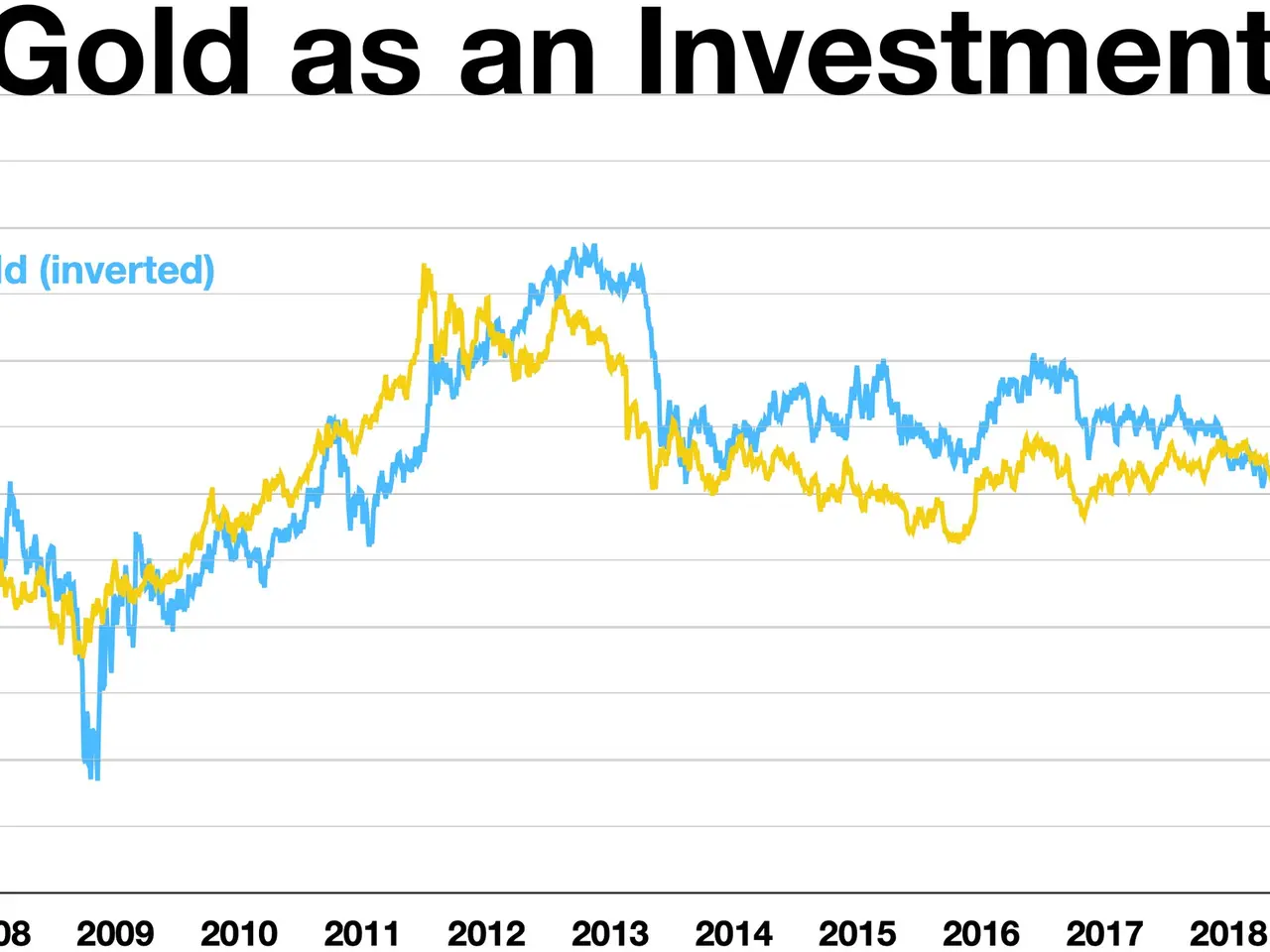
Gold as a Long-Term Portfolio Anchor Alexander Khrushch, president of Seligdar, urged investors to view gold not as a tool for short-term speculation but as a strategic component of a long-term portfolio. He projected a realistic price range of $4,600–$4,800 per ounce by 2026. While acknowledging that regulations governing digital financial assets (DFAs) remain in their infancy and open to interpretation, he identified this area as a priority alongside traditional public markets—including ruble-denominated bonds—and private placements.
2026: A Turning Point for Global Trade Amin Heydarzade, CEO of RICOFLOT, described 2026 as a year of structural transformation in global trade. Russia maintains its position as a leading wheat exporter, with demand from the Middle East, Africa, and Southeast Asia continuing to grow. Among the opportunities, he emphasized route diversification—including new Baltic shipment schemes—and a shift toward long-term contracts with premiums for supplier reliability.
Wrapping up the session, its moderator, Dmitry Sredin, head of the corporate client department for market sectors at VTB, noted: "Amid structural shifts in the economy, we see that the new reality—high interest rates, evolving logistics, and technological change—is reshaping expectations for businesses and investors alike. Our goal today is to pinpoint the macroeconomic factors that will define 2026, identify which industries will drive growth, and determine how private investors can navigate these conditions effectively."