Sochi's Stantsiya Collective Celebrates 20 Years of Bold Experimental Art
The Sochi-based art collective Stantsiya will open its 20th anniversary exhibition at the Zhilinsky Sochi Art Museum on January 30 at 3:00 PM. This milestone event marks two decades of experimental art and social critique in a region shaped by political constraints and cultural shifts.
Stantsiya was founded in 2010 by artists like Alina Glazoun, emerging from Sochi's underground scene during preparations for the 2014 Winter Olympics. The group aimed to challenge artistic norms while navigating a restrictive environment. Their work blends performance, experimental forms, and sharp social commentary.
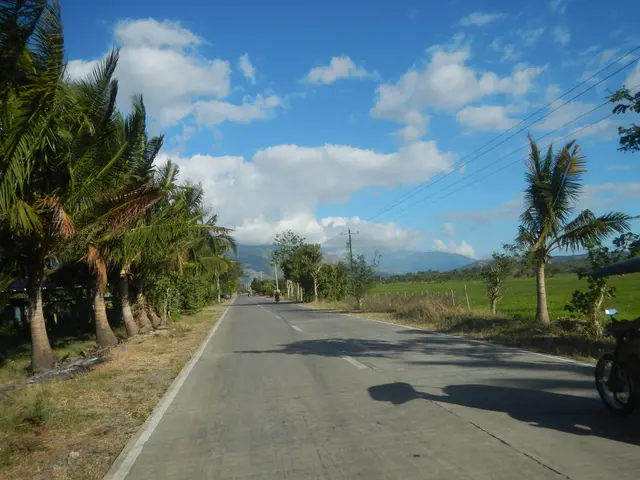
For the first time, the collective's latest exhibition breaks from its usual structured themes. Previous shows were guided by curator Yekaterina Nesterova, who ensured each project followed a clear conceptual framework. This time, the theme—'Avenue of Life'—represents an ongoing journey rather than a fixed destination. Artists were invited to interpret it freely, drawing from personal experiences and perspectives. The group's core philosophy remains unchanged: artistic exploration must align with individual expression. Experimentation and the search for new forms stay central to their approach. The exhibition reflects this by allowing diverse interpretations of the same overarching idea.
The exhibition will showcase how Stantsiya has evolved over 20 years, from its origins in Sochi's underground to its current role in contemporary Russian art. By shifting to a more open-ended theme, the collective highlights both its adaptability and its commitment to artistic freedom. The event also reinforces the Zhilinsky Museum's position as a key venue for experimental work in the region.