
Syria Returns Jewish Heritage Sites to Original Owners After Decades
A new Jewish heritage foundation has taken control of religious properties in Syria for the first time in decades. Licensed by the government in December 2024, the organization will now manage synagogues and schools once overseen by state authorities. The move marks a rare shift in policy under Syria's new president, Ahmed al-Sharaa.
Before Israel's creation in 1948, Syria was home to around 30,000 Jews, with Aleppo hosting one of the largest communities. Today, only six elderly Jews remain in the country, and religious life has faded without a rabbi. Many left in the 1990s, forced to abandon homes and businesses, while synagogues and schools fell under government control.
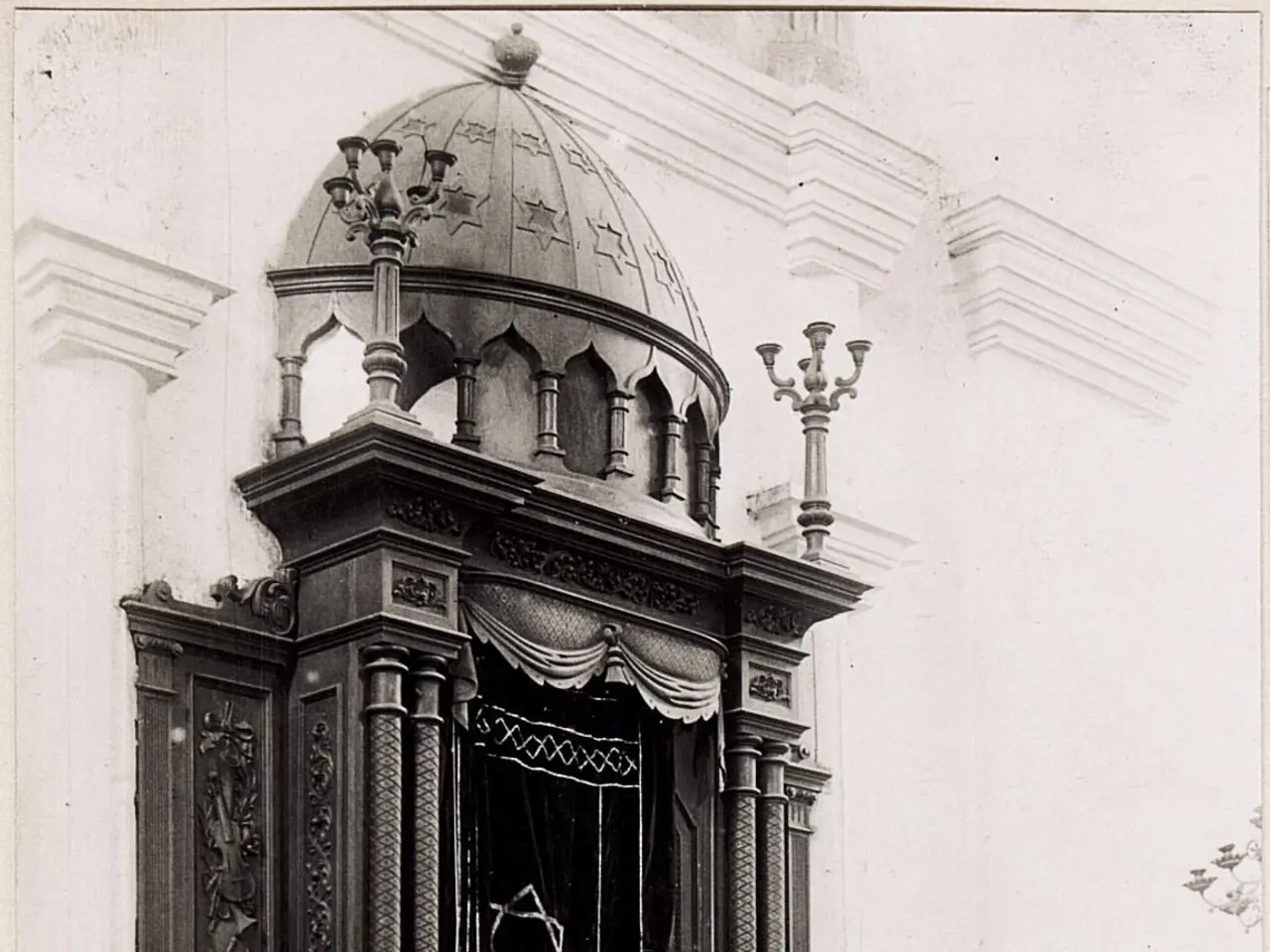
The Central Synagogue in Aleppo, known as al-Bandara, stands as a 1,500-year-old reminder of this lost heritage. Once a vibrant hub, it now sits among the few surviving Jewish sites. Others, like the Jobar Synagogue near Damascus, were damaged in the civil war, while most smaller synagogues in cities such as Qamishli, Homs, and Palmyra have been abandoned or destroyed.
Imad Hamra, the 48-year-old leading the foundation, visited Syria last year with government officials who promised to return confiscated properties. His group will now work to restore private homes and religious sites to their original Jewish owners. Syrian-American activist Mouaz Moustafa helped arrange these discussions, paving the way for the handover.
Hamra has urged Syrian Jews abroad to come forward and reclaim their family homes. The process will involve identifying and verifying ownership of buildings left behind decades ago.
The foundation's work could see long-lost homes and synagogues returned to their Jewish owners. With President al-Sharaa's support, the effort represents the first official step toward restoring Jewish heritage in Syria. The outcome will depend on cooperation between the government, the foundation, and the remaining Jewish community.