Vietnam's Tết Feast Blends Tradition and Modernity in Every Dish
Vietnam's Lunar New Year, known as Tết, remains a vibrant celebration of culture, family, and tradition. Across the country, the feast at its heart reflects deep-rooted customs, regional flavours, and shared memories. A recent workshop in Hà Nội, Tết Sum Vầy, brought these traditions to life, offering a space where old and new ways of honouring the holiday could meet.
The Tết feast has always been more than just a meal—it carries the weight of cultural memory and philosophy. In the North, the centrepiece is bánh chưng, a square sticky rice cake wrapped in leaves, symbolising the earth. Dishes here are prepared with care, emphasising presentation and long-standing recipes that have been passed down for generations.
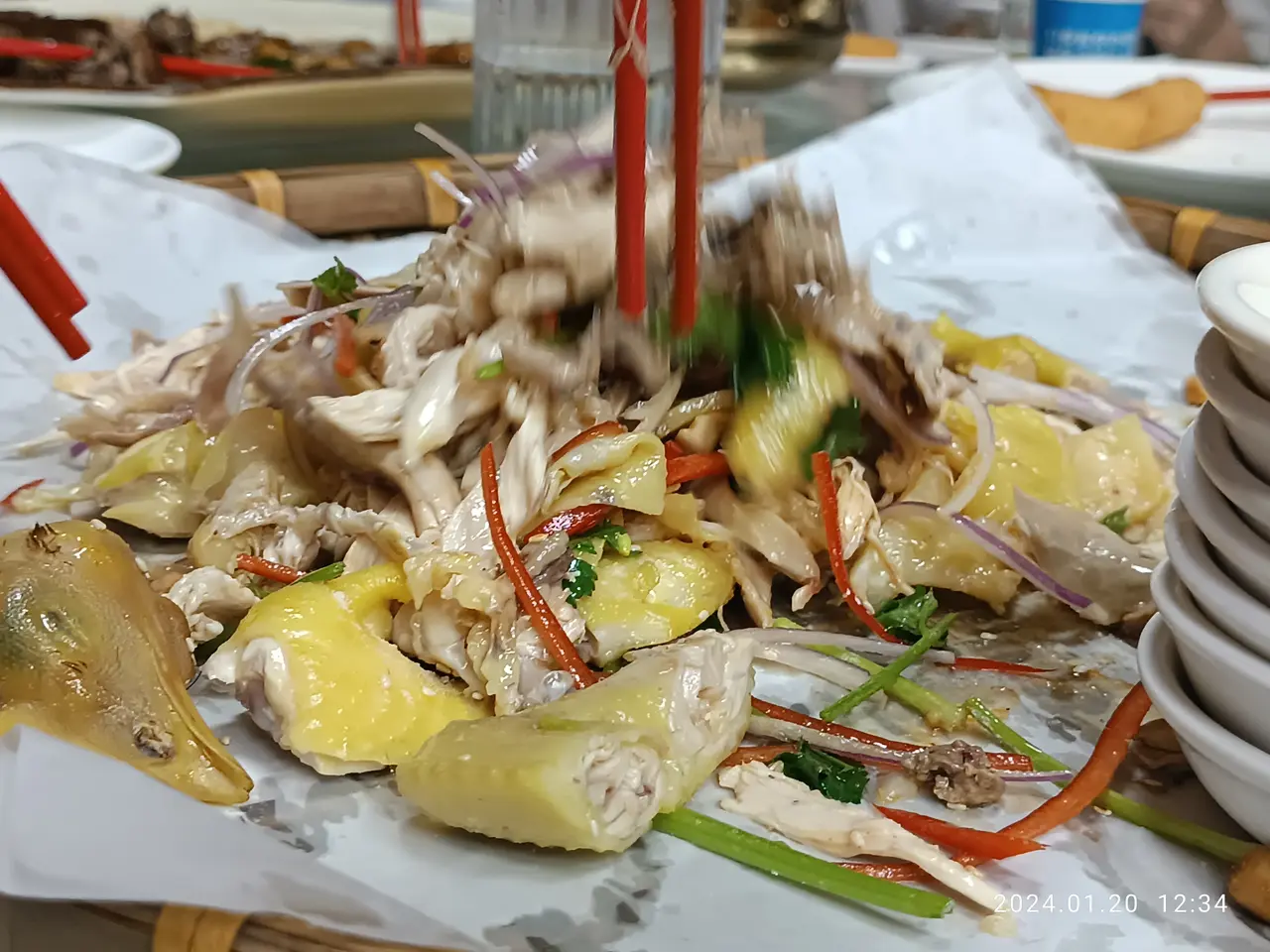
The Central region's feast stands out for its wrapping-and-rolling style of dining. Key dishes include bánh tét, a cylindrical sticky rice cake, along with fermented pork rolls and vinegar-marinated pork. Each bite tells a story of local tradition and communal bonding.
In the South, the spread is generous and varied. Bánh tét remains essential, joined by rich dishes like braised pork with eggs and crispy shredded pork skin rolls. The abundance reflects the region's spirit of hospitality and warmth.
Once, preparing the feast was a slow, deliberate process, shaping the rhythm of life in the lead-up to Tết. Today, urban lifestyles and work demands have shortened the holiday, but the feast's core meaning endures. Modern adaptations now include simpler, healthier dishes, with fewer but higher-quality ingredients. Some families blend traditional recipes with contemporary techniques, ensuring the meal stays relevant while honouring its roots.
Each dish on the table holds symbolic meaning, from wishes for peace to hopes for a fulfilling year ahead. The act of sharing these foods strengthens family ties and cultural continuity, even as daily life changes.
The Tết feast continues to evolve, yet its role in preserving Vietnam's culinary and cultural culture remains unchanged. By integrating traditions into urban life—whether through workshops in Hà Nội or adapted recipes at home—the holiday stays alive. Its dishes, customs, and shared moments ensure that Tết remains a time of reunion, respect, and renewal for generations to come.