Washington's Cherry Blossoms Draw Millions in a Century-Old Tradition
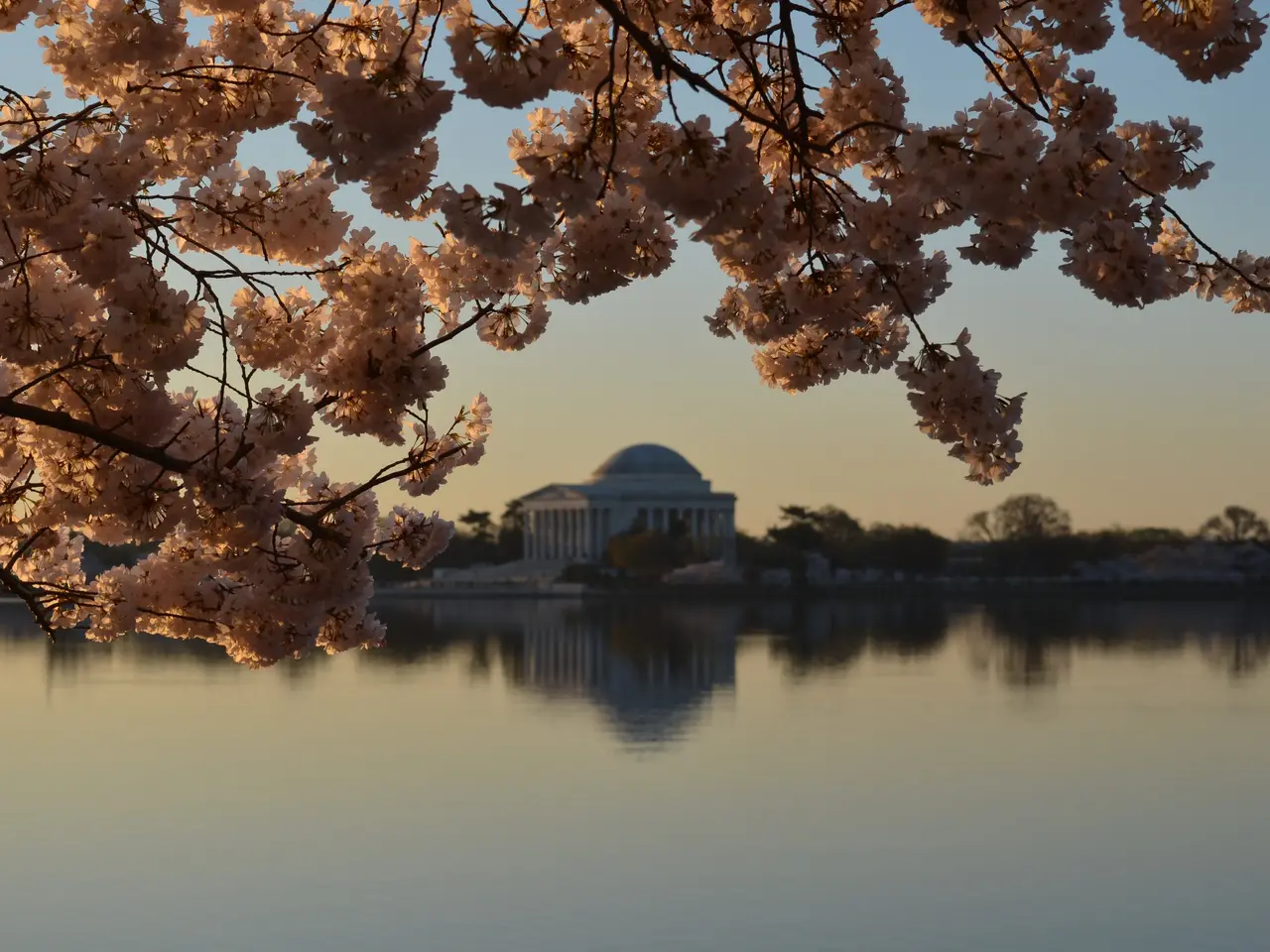
Every spring, millions of visitors flock to Washington, D.C., to witness the iconic cherry blossoms around the Tidal Basin. The tradition dates back to 1912, when First Lady Helen Taft and Viscountess Chinda planted the first trees, though earlier plantings in 1909 by botanist David Fairchild laid the groundwork. What began as a small celebration has since grown into a major event, with the first official festival held in 1927 by the Cherry Blossom Festival Society.
Peak bloom transforms the Tidal Basin into one of the busiest spots in the city. Crowds gather first near the Martin Luther King Jr. Memorial and the Franklin Delano Roosevelt Memorial, where the walkways fill quickly. Parking becomes scarce during this time, as road closures and heavy traffic limit access, leaving many visitors to rely on public transport. The Smithsonian Metro Station is often recommended as the best route for those heading to the blossoms.
For those seeking a quieter experience, areas like East Potomac Park and the U.S. National Arboretum offer stunning views without the same level of congestion. Weekdays tend to be less crowded than weekends, giving visitors more space to enjoy the scenery. Arriving early also helps, allowing tourists to explore before the largest crowds arrive. Despite the bustling atmosphere, many find that navigating the crowds becomes part of the adventure. Taking time to slow down and plan ahead can make the experience more enjoyable, turning a potentially overwhelming visit into a memorable one.
The cherry blossom season remains one of Washington's most beloved annual events, drawing huge numbers each year. With some preparation—choosing less crowded days, arriving early, or exploring alternative viewing spots—visitors can still find peaceful moments amid the spectacle. The tradition, now over a century old, continues to bring people together to celebrate spring in the nation's capital.