Why More Americans Are Trading Houses for Converted School Buses
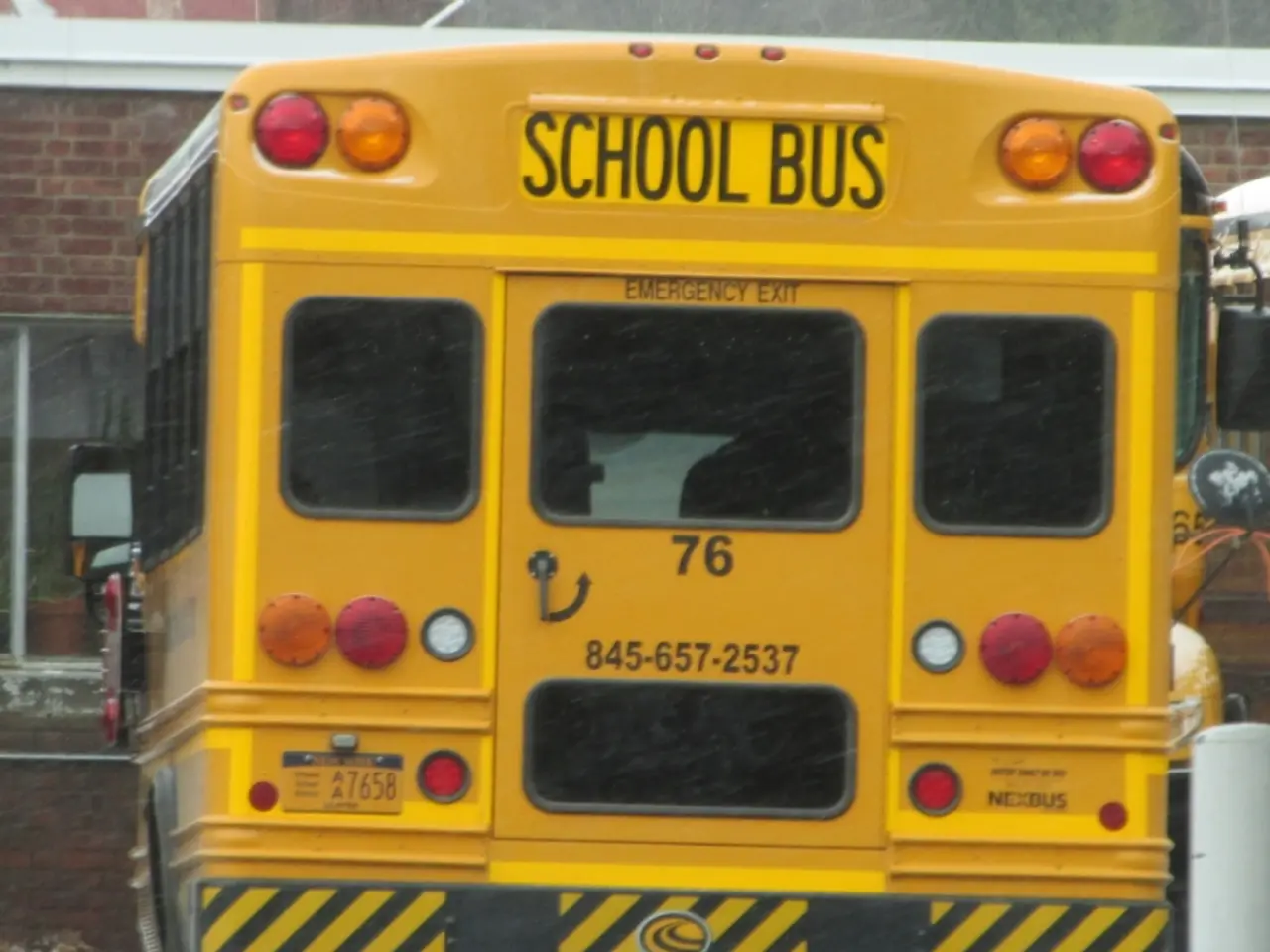
More Americans are choosing unconventional homes as housing costs rise. Converting old yellow school buses into mobile living spaces has grown in popularity since 2010. This trend, often called the 'Skoolie' movement, appeals to those seeking affordability and flexibility without fixed addresses.
The shift toward alternative housing has accelerated in recent years. In 2023, around 342,000 people in the US lived in vans, RVs, or boats—nearly double the 2021 figure for RV dwellers alone. Traditional campervans and motorhomes can be costly, pushing many toward cheaper, do-it-yourself solutions.
Retired school buses offer practical advantages for conversions. Their spacious interiors, large windows, and flat floors make renovations simpler. The vehicles also come with durable engines built for long-distance travel and require little maintenance. Some, like Paul and Shae, spent just $6,000 and three years transforming a bus into a home. Others, such as a YouTuber who converted a 40-foot bus into a luxury space, invest more time and resources. The movement has inspired couples like Josh and Emily from South Dakota. After two years of work, they now live in their converted bus, named Aurora the Adventure Bus. While no specific groups or pioneers dominate the trend, social media has helped spread the idea since the early 2010s.
School bus conversions provide a budget-friendly alternative to rising property prices. Their simplicity and adaptability attract minimalists, travelers, and those seeking financial freedom. With nearly half a million Americans now living in RVs or similar setups, the trend shows no signs of slowing down.