Globe's tech push drives Philippines' financial inclusion past 50% milestone
AS THE surge in global oil prices and Middle East tensions continue to impact the cost of basic necessities, Globe provides Filipinos with a digital lifeline. The company empowers citizens to exercise prudence and resilience in a challenging economic landscape by bridging the gap between basic access and financial health.
Account ownership in the Philippines grew to 50.2 percent as of 2024. However, the global climate highlights the urgency of moving beyond access. At the recent Manila Times Economic Forum, World Bank lead economist Gonzalo Varela said many Filipinos remain in a "vulnerability trap," where one in four citizens is just one "economic shock," such as a spike in fuel prices or a sudden illness, away from falling back into poverty.
To mitigate these shocks, Globe expands its network to serve as a critical bridge for the Bangko Sentral ng Pilipinas (BSP) framework for financial health. Reliable connectivity allows households to practice digital prudence. They bypass expensive transport costs by transacting from home, access real-time price monitoring for goods and build emergency funds via mobile apps to avoid high-interest debt.
Strategic tech enabler
This effort became the focus of a recent discussion between senior leaders from the BSP and Globe Telecom. The briefing, attended by BSP managing director Eugene Teves, centered on technologies that help Filipinos transact safely and efficiently in the digital Philippine economy. By serving as a strategic tech enabler, Globe helps the BSP build a digital ecosystem where Filipinos stretch their budgets through affordable and innovative services.
Globe chief commercial officer Darius Delgado said: "At Globe, we see ourselves as more than a telco. We provide the 'rails' that keep the economy moving. In these times of global volatility, our network acts as a stabilizer, ensuring that commerce and essential services remain accessible and cost-effective for every Filipino."
In response to the escalating tensions in the Middle East, Globe offered roaming goodwill packages to ensure overseas Filipinos remain connected to their families. Globe provided a complimentary roaming package, including 1GB of data, 15 minutes of calls and 15 SMS, to customers in affected areas such as Saudi Arabia, the UAE, Qatar, Kuwait and Bahrain. For those in Iran and Iraq, Globe extended load assistance and billing adjustments. This initiative underscores the role of Globe as a proactive partner in times of crisis, ensuring communication remains a bridge for safety rather than an added financial burden.
Innovative deployment
Globe tackles the infrastructure hurdles that drive up service costs. Through partnerships with Lynk Global and Starlink, Globe pilots direct-to-device technology, allowing standard LTE phones to connect via satellite in remote areas. By tapping transcelestial to roll out 400 wireless laser links, Globe delivers fiber-class speeds without the need for costly and time-consuming trenching.
By using these "non-traditional" methods to lower deployment costs, Globe aims to pass these efficiencies to the consumer. This ensures that even as the prices of physical goods rise, the cost of staying connected and doing business remains within reach for the average family.
Globe president and chief executive officer Carl Cruz said: "Connectivity is the backbone of how people work and save today. Our goal is to ensure that our network translates into real-world benefits: consistent service that is affordable enough to help many Filipinos weather the current economic storm."
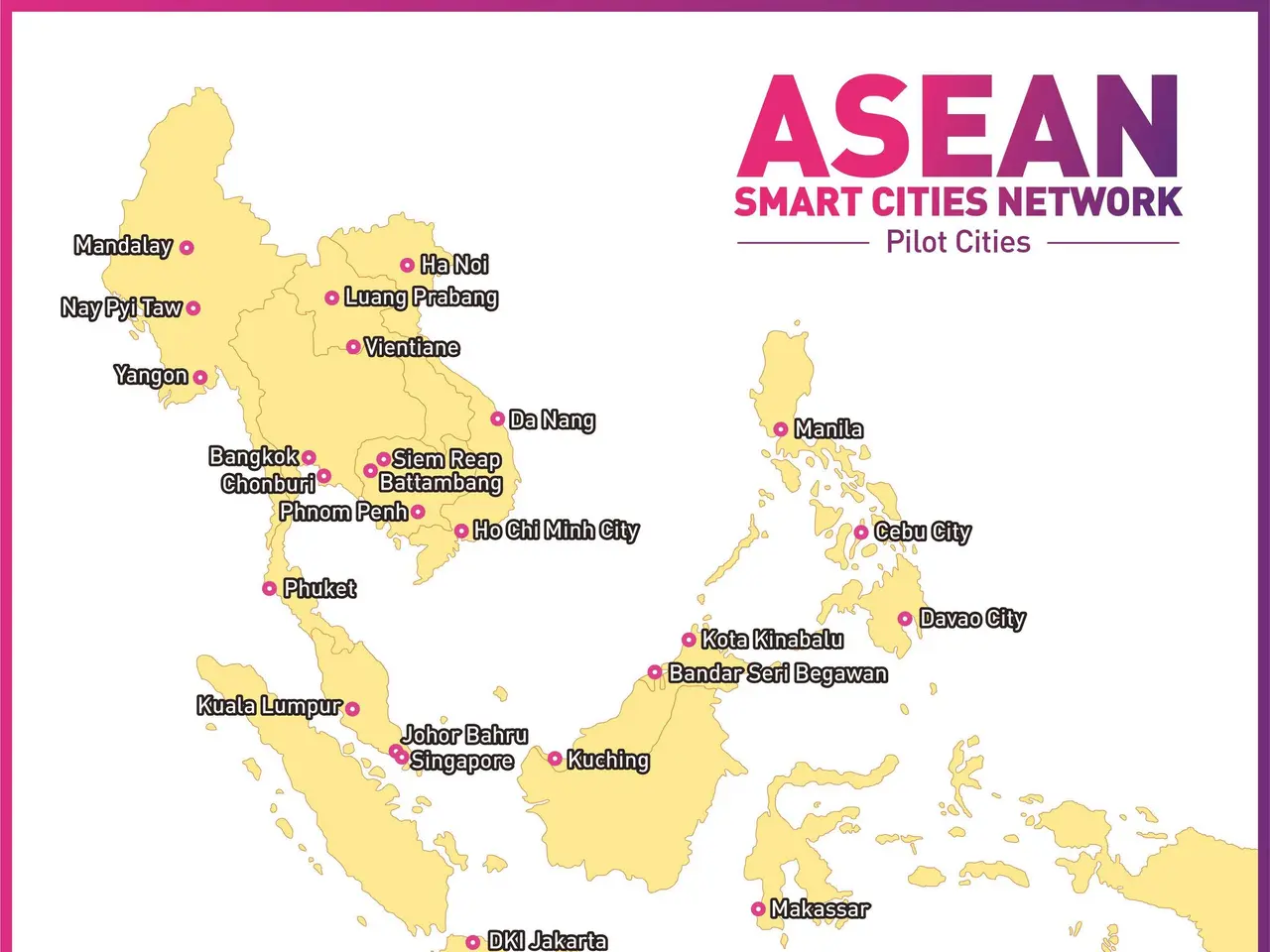
These local efforts prepare the country for its broader role in the region. As the Philippines prepares for the 2026 Association of Southeast Asian (Asean) chairmanship and the push for Asean Regional Payments Connectivity, the Globe network readies the digital ecosystem for faster, cheaper remittances and more efficient cross-border trade. This elevates the standing of the Philippines and protects the economic interests of its citizens.