Vienna's Offline Club leads a global push to ditch digital distractions
A Glass Suitcase Holds the Key—Literally
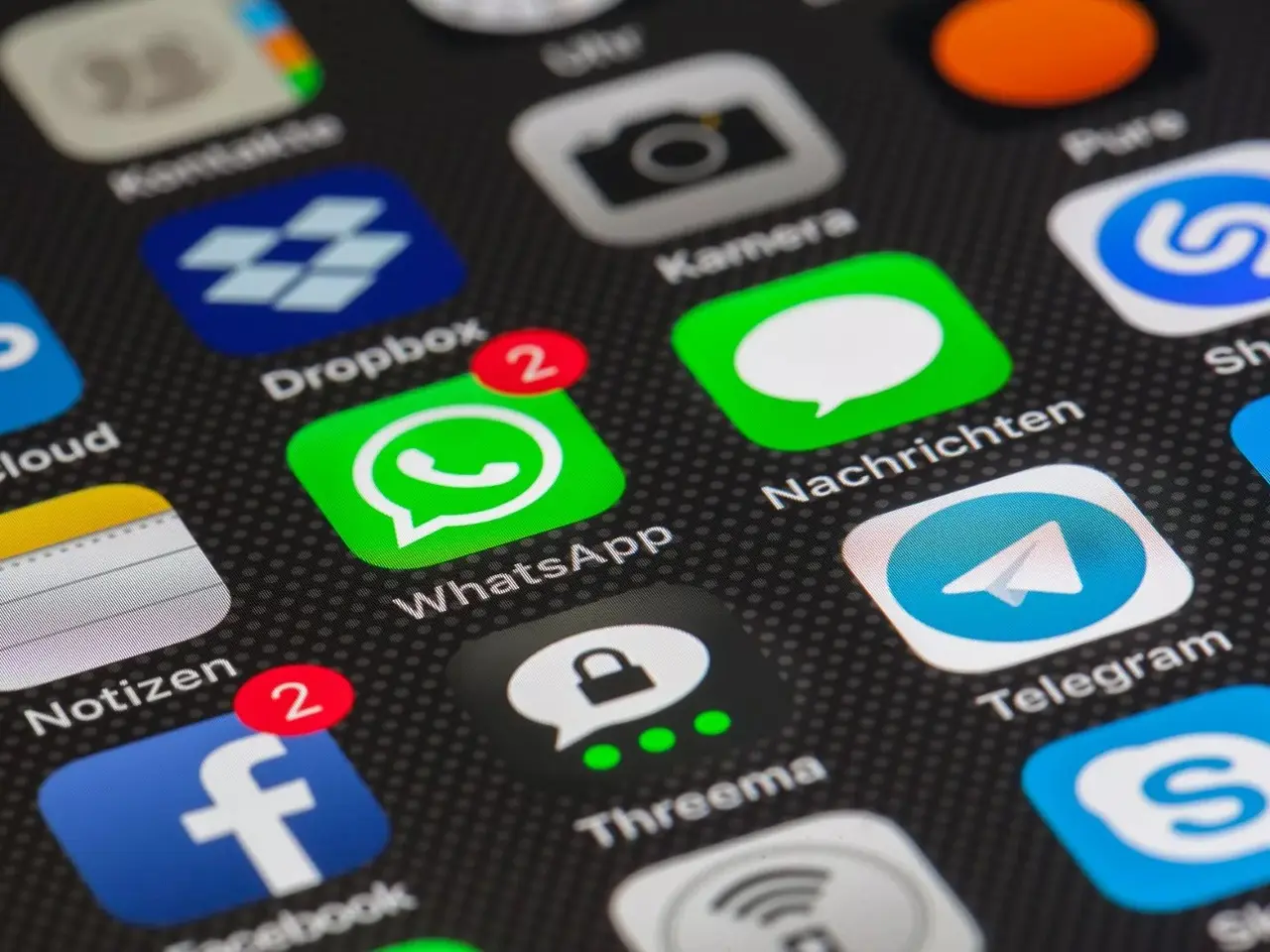
At the heart of the event is a transparent suitcase standing right by the entrance. This contemporary Pandora's box locks away all the troubles that keep us awake at night and steal our focus by day: the organizers affectionately call it the "Phone Hotel." Inside its narrow, numbered compartments, guests stow their smartphones for the duration of their visit.
Since last autumn, The Offline Club Vienna has been bringing together people who want to spend time without phones or internet. "Our first event took place on a sunny day outdoors, and 150 people showed up," says Anna-Lena Wagner. "The response was so overwhelming, we decided to keep going." Along with three colleagues from The Wurst Agency, she launched the event series. Offline clubs like Vienna's now exist in nearly 20 countries, with Amsterdam, London, and Paris hosting gatherings in parks, museums, and even churches (for decidedly secular meetups, mind you). The Vienna team has already connected with organizers abroad—Wagner is spending this weekend in Amsterdam to pick up tips from her counterparts. "We have big plans," she says. "We want our events to get bigger and wilder." So far, they've organized afternoons at wine taverns with DJs, "listening parties" in record stores, game nights at pubs, and forest walks in the Prater. Guests hand over their phones at the start, followed by half an hour of silence. "It's about reconnecting with yourself—whether you're drinking coffee, reading a book, or just gazing into space," Wagner explains. "I thought it might feel awkward, but many say it's the best part: being quiet together."
At café or pub events, the space includes a game corner, a drawing or writing nook—anything to ease conversation. "Without your phone, you feel a bit like a child again," Wagner describes. "You lose track of time, no one interrupts you. You're just there, enjoying the moment." After all, she and her team started this out of their own need for a break. Currently, they host two or three events a month, with plans to go weekly. Tickets have sold out fast so far. This summer, they're adding multi-day offline retreats.
A similar concept drives Offline Oida, a pop-up café by Christoph Thomann and Sebastian Müller. Starting May 2, it will occupy the courtyard of the Alpenmilchzentrale in Vienna's 4th district. While the space operates as a regular restaurant on weekdays, weekends will transform it into a phone-free oasis from 10 a.m. to 6 p.m., offering coffee, cake, books, and maybe even board game afternoons. "We're all distracted and overstimulated," Thomann says. "Sebastian and I wanted to create a space for quiet moments and real connections."
The trend has even reached dating. With many frustrated by endless swiping on Tinder, Janet Kuschert and Laura Eisl tested offline dating events last year. Now, their platform Faund organizes six or seven after-work drinks, bowling nights, parliament tours, and parties each month. It seems more people want to break free from their phones—at least temporarily.
But how lasting is a brief offline experience? Dominik Batthyány, a psychotherapist and head of the Institute for Behavioral Addictions and Addiction Research at Sigmund Freud University—where he also runs the media addiction counseling center—says digital detoxes can help. "It's valuable to notice what happens when you step away and to recognize your dependency. These devices distract us from our own thoughts and feelings. Going offline lets you reconnect with yourself and perceive the world differently." Still, Batthyány doubts short breaks alone create lasting change. "They can be a good start, but for long-term impact, you need new routines. Phone use should become more mindful."
He draws a parallel to how we discuss food: "We talk so much about conscious living—what we eat, where it comes from. We need that same awareness with media. The goal is for us to shape our consumption, not the device."