
Sakhalin Islanders often say, "You'll never starve on this island," and there's truth to that. Literally year-round, those who wish can forage for food here: in winter, it's fish and crab; from spring to autumn, it's mushrooms and wild plants, with over a hundred varieties to choose from. Among the most common are bracken fern, klopovka (a type of wild onion), uda (Japanese angelica), burdock, sea grapes, wood sorrel, and many others.
Sakhalin's wild flavors blend Korean roots with foraged bounty
The unique ways of preparing these ingredients can surprise even the most seasoned gourmet. Many original recipes have been passed down through generations, preserved as part of family heritage. Since 2023, the island's capital, Yuzhno-Sakhalinsk, has hosted an annual gastronomic marathon called "Wild Russia" (0+), aimed at promoting Sakhalin's local produce and dishes made from wild plants and seafood. The project was initiated by the regional Ministry of Tourism and the Tourist Information Center, with the island's top restaurants bringing the ideas to life.
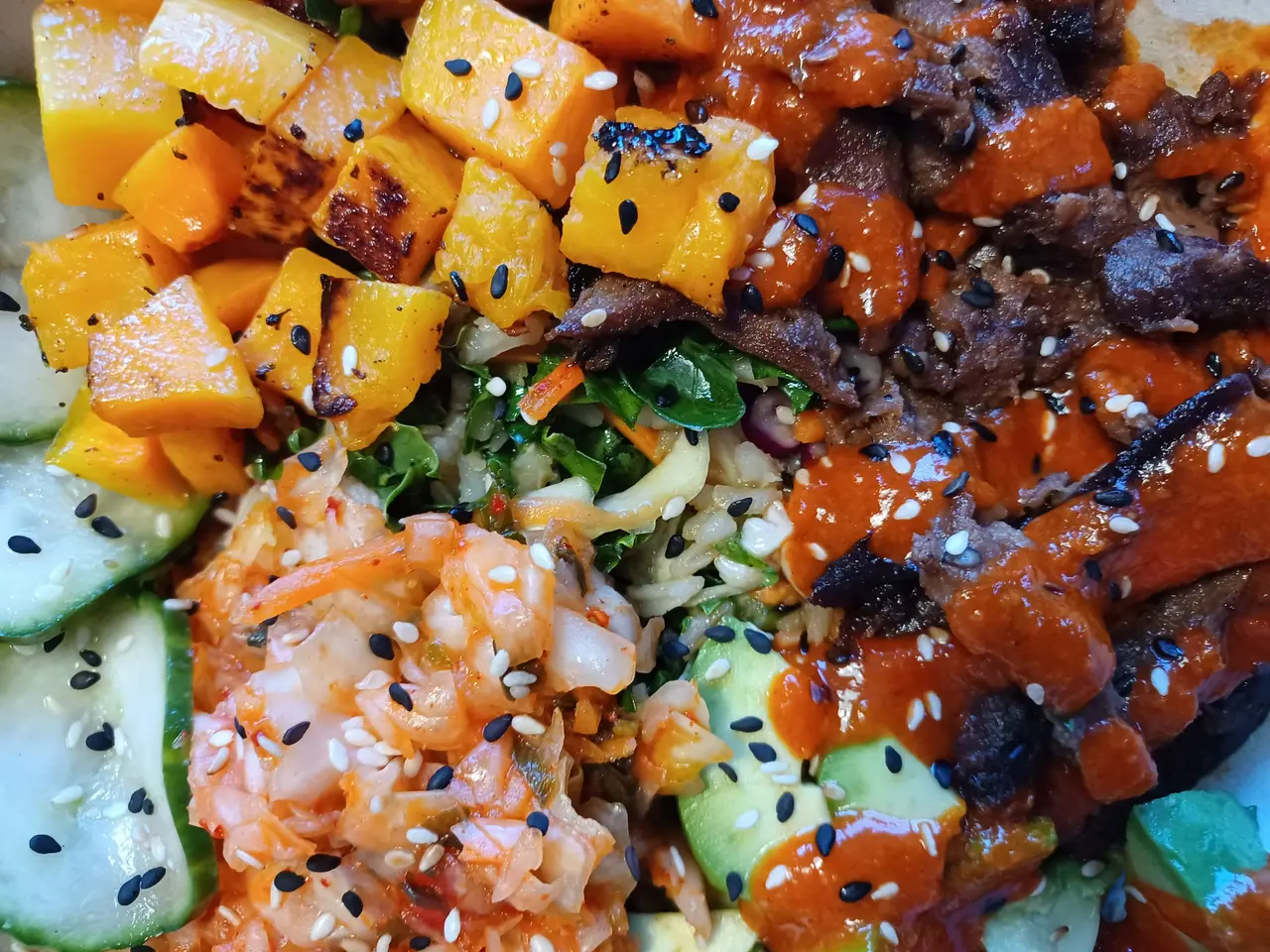
Historically, a significant portion of Sakhalin's population has been ethnic Koreans. The blend of Slavic and Korean cultures has shaped many island traditions, but it is most vividly reflected in the cuisine. Today, it's nearly impossible to draw a clear line between Russian and Korean dishes on Sakhalin—they have merged into one, becoming a culinary calling card of the region. Korean cuisine is defined by its bold, distinctive flavors, where spicy, salty, and subtly sweet elements harmoniously coexist in a single dish. The star is kimchi—fermented Napa cabbage with red pepper and garlic, served with almost every meal. It's eaten for breakfast, lunch, and dinner, and for many Sakhalin Islanders, it's no longer just a side dish but the foundation of their daily diet. Korean food is rich, often spicy, and frequently served piping hot. It's a cuisine that demands patience—layering flavors from different ingredients to create the perfect taste, savoring the process as much as the result.
If you're invited to a Sakhalin family's home, chances are you'll find a plate of chim-chi tak on the table. But this won't be the classic Korean version—it's an island adaptation. Often made with regular white cabbage (long a scarce commodity, Napa cabbage was hard to come by), the dish might include salted fish like chum or pink salmon. You won't find this recipe in Korea itself or among mainland Korean communities—it's a purely Sakhalin invention, shaped by local traditions and whatever ingredients were at hand.
For residents of Sakhalin, Korean food isn't exotic ethnic cuisine—it's an everyday staple, as familiar as buckwheat or potatoes. You could even say the island has developed its own unique culinary tradition, where Korean and Russian flavors are so deeply intertwined that together, they define the taste of home," says Julia Sorokina (Park), a Korean-Russian native of Sakhalin.
Julia shared one of the region's most recognizable dishes: fern shoot salad. On Sakhalin, many still forage for young bracken ferns in the wild, blending Korean culinary tradition with the island's rustic charm.