There are some strange traditions surrounding Easter in Spain, but most are understood and taken as familiar and normal all over the country, but out in the villages, there are some that would have most Spaniards scratching their heads. The Procession of the Turbas in Cuenca, in which a chaotic, noisy procession with discordant music and crowds that contrasts with quieter marches elsewhere, for example. Or, the Dance of Death in Verges, Girona, on Easter Thursday, in which a group of people dressed as skeletons perform a slow, eerie dance through the mediaeval streets.
Spain's Easter traditions include plant theft and eerie skeleton dances
In Axarquia, more precisely Moclinejo, they too have their own traditional Semana Santa curiosity. Groups of children and teenagers roam the streets at night in the days before Easter weekend. Their mission involves temporarily pilfering potted plants from doorways, patios, and public spots around the whitewashed village.
How Moclinejo transforms stolen pots into sacred displays
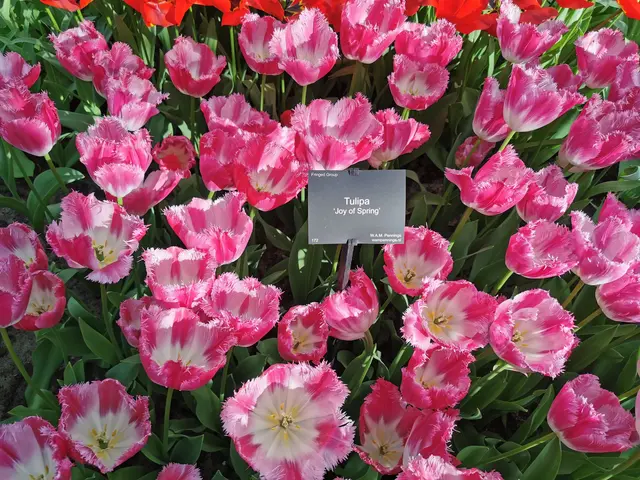
Youngsters hide the macetas carefully before Easter Sunday dawns. On Easter Sunday, the little scoundrels gather the collection together with palm branches and fresh greenery. Together they construct a beautiful temporary garden in the Plaza de España. This floral garden represents the biblical Garden of Olives from the Passion story. The figure of the Risen Christ then arrives amid the vibrant display, creating a striking centrepiece for the celebration.
Community spirit and gentle mischief define the custom
Locals view the activity as harmless community fun rather than real theft. An unwritten code makes sure pots return to owners shortly after Easter, more often than not undamaged. Some participants even leave small coins as playful compensation. Elders recall joining similar escapades in their youth, with the tradition strengthening neighbourhood bonds across generations. Recent council reminders encourage moderation to protect plants while preserving the joyful essence.
Why Moclinejo's plant pot tradition stands out among Spanish Easter customs
Unlike solemn processions elsewhere, this custom mixes youthful energy with religious symbolism in a light-hearted way. Heavy or fixed pots sometimes present a challenge to the thieves, adding extra sport to the nights.
So, if you happen to be in Moclinejo over Easter, don't fret if someone makes off with your pot plant. You'll probably see it in the main square, and someone will return it soon enough.