Disease Outbreaks Threaten Survival of Andaman's Isolated Indigenous Tribes
The Andaman and Nicobar Islands, a remote archipelago in the Bay of Bengal, face growing health threats among their indigenous tribes. Over 570 coral-fringed islands make up the region, but only 37 are inhabited by groups like the GAT, Onges, Jarwas, Shompens, and Sentinelese. Recent disease outbreaks have raised concerns about their survival. The GAT tribe, once numbering in the hundreds, now stands on the brink of extinction. Syphilis and other sexually transmitted diseases have devastated their population. Tuberculosis also remains a persistent problem among the islands’ indigenous groups.
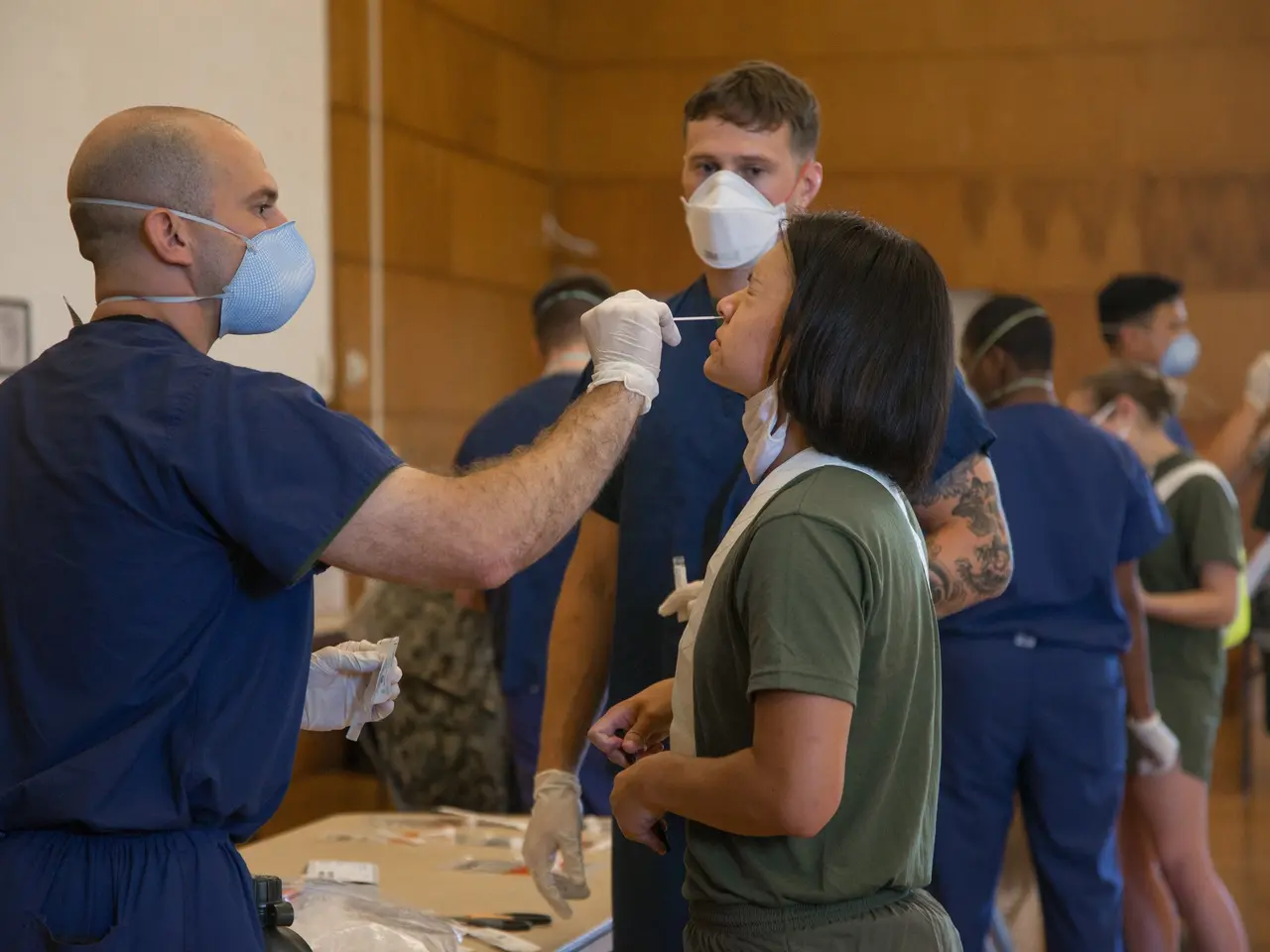
Authorities recently stepped up COVID-19 testing after cases emerged among the tribes. The move aims to prevent further spread in communities with little immunity to outside illnesses. The Sentinelese, who live in near-total isolation on North Sentinel Island, are especially at risk. Two years ago, a 26-year-old American missionary was allegedly killed after illegally visiting their island, highlighting their fierce resistance to contact. Current estimates place the Shompen tribe at over 200 members, the Jarwas at around 500, the Onges at roughly 120, and the Sentinelese at about 150. These small populations make them highly vulnerable to epidemics and environmental changes.
The Andaman and Nicobar administration continues to monitor health risks among the tribes. Increased testing and restricted access to their territories remain key measures. Without intervention, diseases could further reduce the already fragile populations of these unique island communities.