Portugal's Mountain Villages Turn Tourists Into Ecosystem Guardians
Community and Regenerative Tourism Model Takes Root in Portugal's Mountain Villages
This partnership forms the foundation of a community-based and regenerative tourism model, where visitors are not passive observers but actively engaged in preserving the landscape, according to the Mountain Villages Network (Rede de Aldeias de Montanha).
Project Goals and Activities
The initiative aims to highlight "landscapes of economic and environmental value, fostering territorial literacy to help distinguish between a mere green patch and a living, biodiverse forest—and reinforcing the understanding that not all 'green' equates to environmental worth."
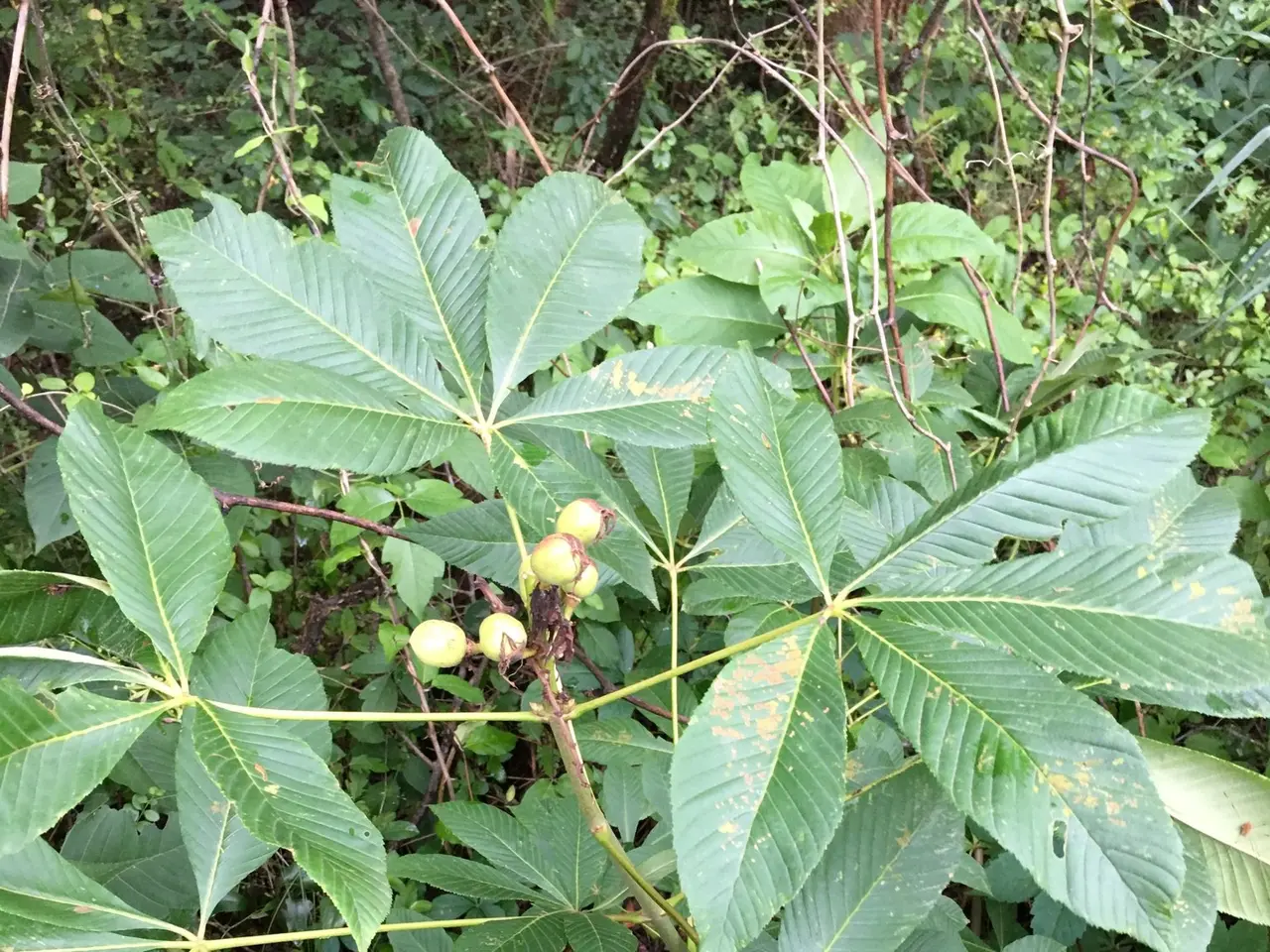
At the Mountain Agroecology School, running through Sunday, tourists and visitors take on the role of "landscape stewards," contributing to the restoration of the chestnut groves (soutos) in Lapa dos Dinheiros, located within the Serra da Estrela Natural Park (PNSE).
The "Chestnut Cultures" program includes a grafting workshop with local villagers, who, "by sharing their knowledge, demonstrate that intelligent landscape management is the cornerstone of the region's economic future."
"The goal is to regenerate these groves as vital assets that ensure water cycle regulation, soil conservation, carbon dioxide sequestration, and biodiversity promotion—while simultaneously generating direct economic value for local communities and the tourism sector."
In Lapa dos Dinheiros, the event will feature "knowledge-transfer sessions" led by the Institute for Nature and Forest Conservation (ICNF), the Viseu School of Agriculture (ESAV), and the Serra da Estrela Interpretation Center (CISE) in Seia.
The program also includes "gastronomic immersion" experiences, such as the "Shared Table" (Mesa Partilhada), and an artistic record created by the Urban Sketchers collective.
"With the Mountain Agroecology School, we propose a new paradigm where tourists not only learn but also actively contribute to regenerating landscapes, forging a deeper connection with the territory," the Mountain Villages Network stated.
Further editions of the Agroecology School are already planned in other mountain villages, with themes tailored to each locality's unique resources and characteristics.
About the Mountain Villages Network
This initiative is part of the Collective Efficiency Strategy (EEC) PROVERE Mountain Villages 2030, co-funded by the Centro 2030 program.
Founded in April 2013, the Association for the Integrated Development of the Mountain Villages Network (ADIRAM) is headquartered in Seia, in the Guarda district.
The network comprises 41 villages across the municipalities of Fornos de Algodres, Gouveia, Manteigas, Celorico da Beira, and Guarda (Guarda district); Covilhã and Fundão (Castelo Branco district); and Oliveira do Hospital (Coimbra district).
These villages are situated in the Serra da Estrela and Serra da Gardunha mountain ranges.