New York's Lakes to Locks Passage Named an All-American Road
New York’s Lakes to Locks Passage has earned recognition as the state’s only All-American Road. This scenic route stretches 230 miles, drawing visitors from around the world. It weaves together history, nature, and adventure in one remarkable journey.
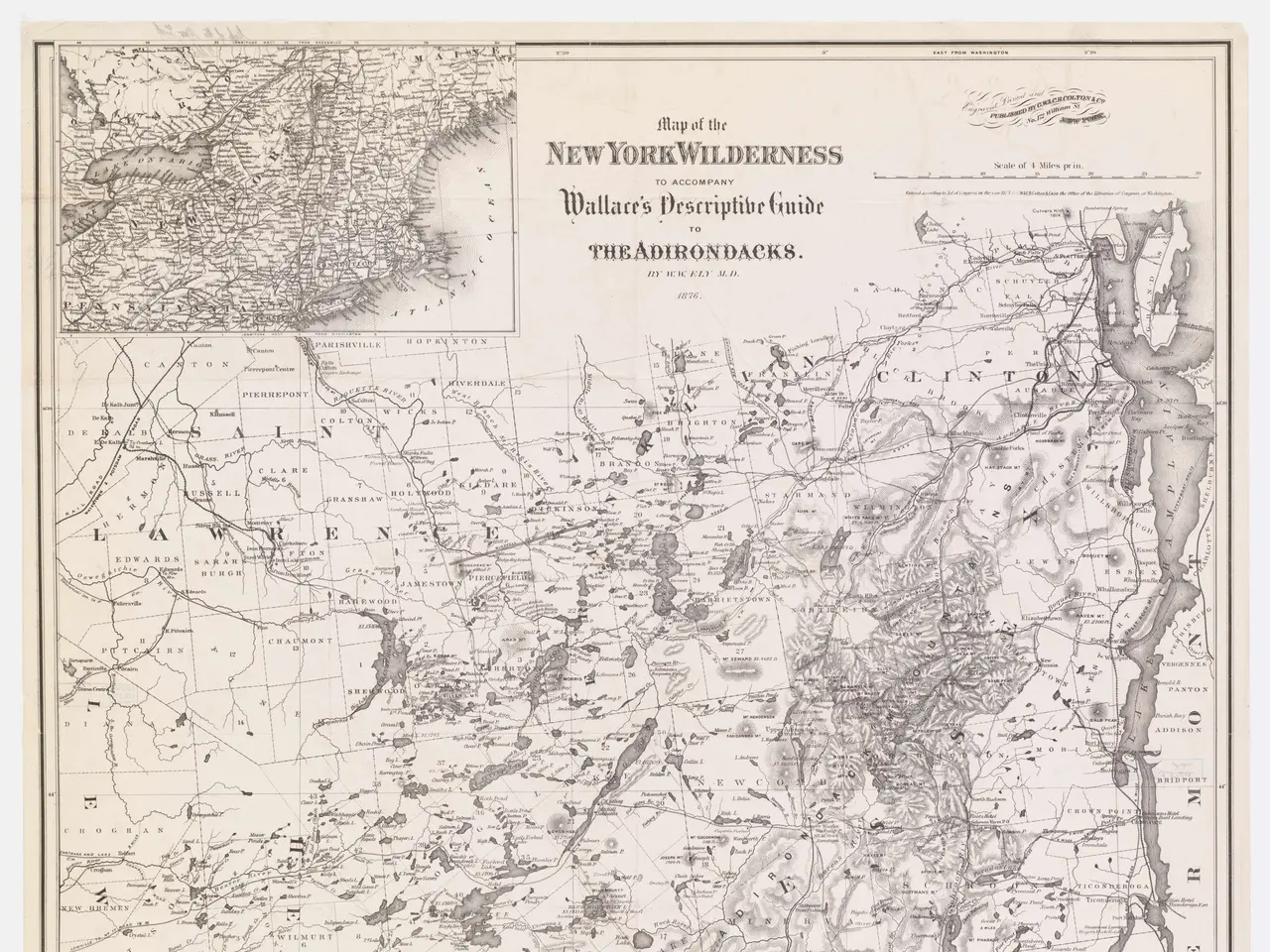
The passage begins in Waterford, just north of Albany, and winds up to Rouses Point on the Canadian border. Along the way, it follows the Upper Hudson River, the Champlain Canal, Lake George, and Lake Champlain. These waterways form the backbone of a route rich in both beauty and significance.
As the geographic heart of early American history, the passage includes landmarks like Fort Ticonderoga and Saratoga National Historical Park. These sites offer glimpses into pivotal moments of the past. The route also features sprawling lakes, historic canals, and imposing fortresses, blending natural and man-made wonders. Visitors can explore the passage by car, boat, bike, or on foot. Whether driving along scenic roads, cycling through picturesque towns, or hiking beside tranquil waters, the route provides countless ways to experience its charm. Its inclusion in the Federal Highway Administration’s *National Scenic Byways* program further highlights its national importance.
The Lakes to Locks Passage stands out as more than just a route—it is a destination in itself. Its mix of history, outdoor activities, and breathtaking landscapes continues to attract travellers. The passage remains a key part of New York’s cultural and natural heritage.